Mission & Biographical Information
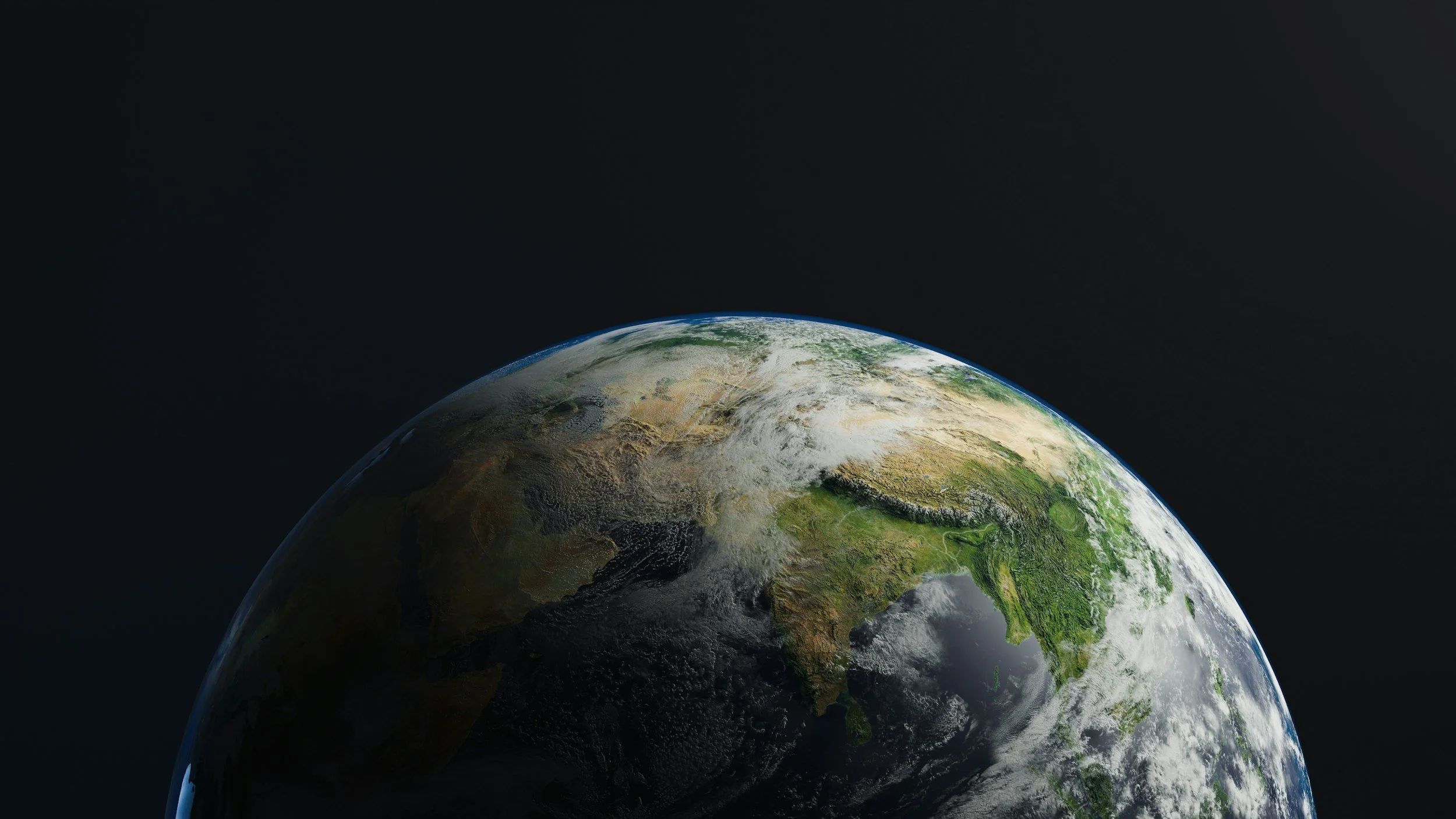
“Sharp declines in wildlife populations are a clear and urgent warning…When nature is compromised, it is more vulnerable to climate change and edges closer to dangerous and irreversible regional tipping points. When this happens in too many places around the globe, it threatens the very air we breathe, the water we drink, and the food we eat.”
-World Wildlife Fund Chief Scientist Rebecca Shaw, via WWF
Our planet is in crisis. Between 1970 and 2020, the average size of monitored wildlife populations has declined by 73%, with declines as steep as 95% being observed in regions like Latin America and the Caribbean. Freshwater populations have declined most sharply (85%), followed by terrestrial (69%) and marine (56%) populations.
Given the magnitude of current biodiversity loss, many scientists argue that we have entered the sixth mass extinction event in Earth’s history. Current extinction rates are estimated to be 1,000 to 10,000 times higher than what they would be in the absence of human activity. Unlike the last mass extinction event 65.5 million years ago, which wiped out the dinosaurs, this one is the product of human activities. Habitat loss and degradation, driven largely by the global food system, are the most commonly reported threats to biodiversity, alongside factors like overexploitation, climate change, invasive species introductions, and the proliferation of disease. While some of these pressures occur naturally, human activities have dramatically accelerated them all.
Although nations have set global targets for a sustainable future, the execution of these goals often lags behind global ambitions. Meeting sustainability goals will require the transformation of human food, energy, and financial systems, a shift that national governments struggle to achieve amid many conflicts of interest. Where national commitments fall short, however, local and regional efforts offer a path forward. When local communities, Indigenous knowledge holders, and people from diverse backgrounds are involved in conservation research and decision-making, the resulting solutions are better-informed, more equitable, and more likely to last. By empowering the public and coordinating local actions with shared global goals, we have the ability to drive meaningful change from the ground up. To realize the potential of community-oriented conservation efforts, we must first direct our efforts towards accessibility and inclusivity in science.
Source: WWF Living Planet Report
Facing the Sixth Mass Extinction
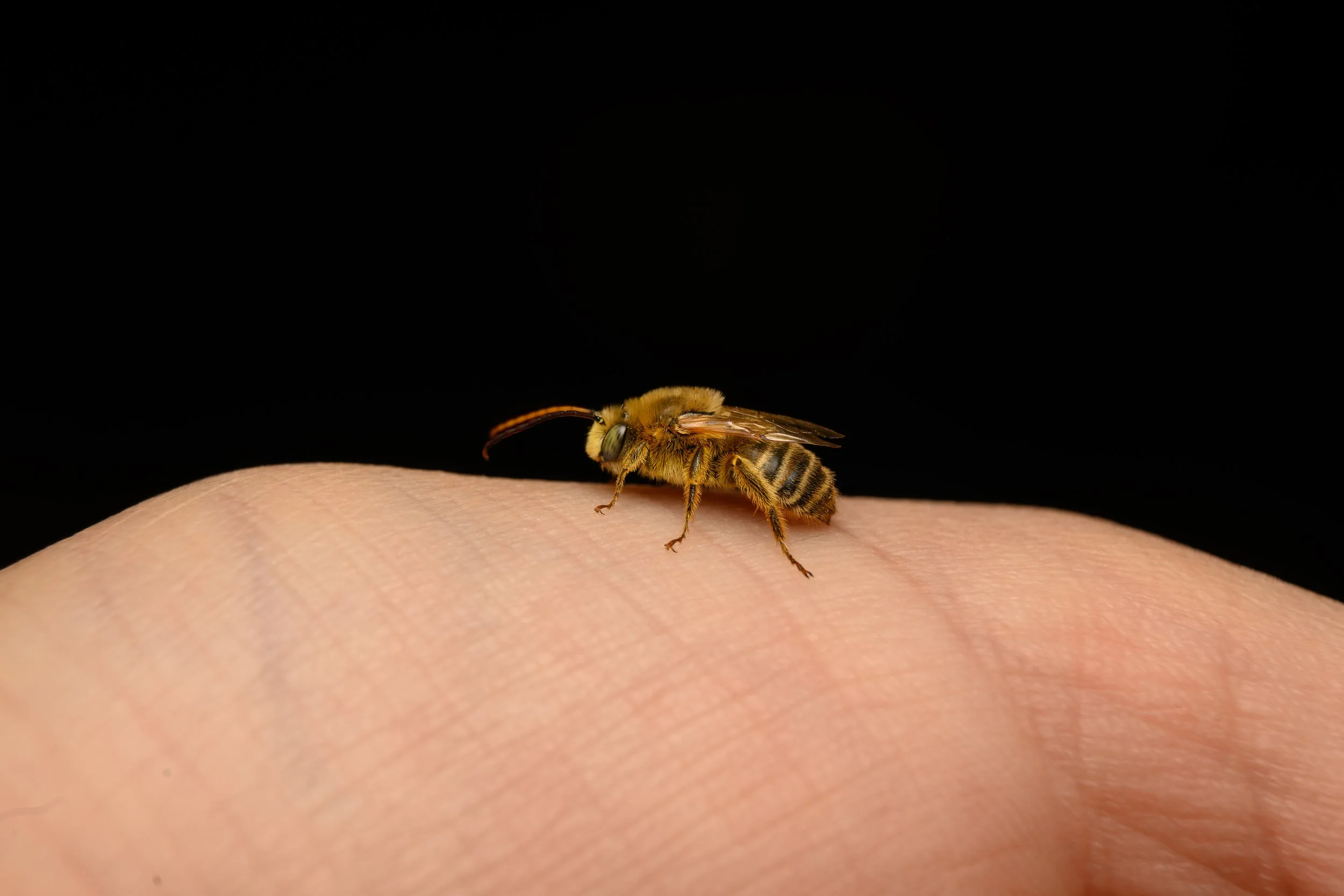
“Science and secrecy do not sit comfortably together” - Sheila Jasanoff
Image © Sofia Hardesty
The Case for Accessibility in Conservation
Successful biodiversity conservation necessitates public support. Policy changes rarely occur based on scientists’ recommendations alone, and are instead largely driven by mounting public pressure on governing bodies and politicians. Furthermore, much of conservation is implemented by non-governmental organizations (NGOs), who rely directly on community backing and market-based conservation strategies to operate.
Despite many conservation scientists’ assumption that public interest in conservation is waning, targeted analysis of Google search data tells another story; public interest in both conservation and climate change is actually on the rise, and evidence shows that the public increasingly pays attention to both of these issues simultaneously. A 2012 survey of visitors to 16 national parks and wildlife refuges is consistent with these findings, which found that 67% of park visitors are eager to learn more about climate change through the National Parks Service. This raises the question– if people are so eager to learn about climate change and get involved in conservation, why is it so challenging for people to do so? The answer lies in access to information.
Although citizen science programs are growing, there are significant barriers that prevent the general public from understanding scientific research and engaging in conservation. 75% of full-length scholarly documents are limited by paywalls, which often prevents the public from being able to access scientific research, including research that has been conducted using citizen-science data. Many documents are also only available to members of certain institutions, or are made unintelligible to the general public due to the presence of excessive scientific jargon. This is not the way it should be. People are eager to learn about environmental issues, just as they are eager to learn what they can do to make a difference. They just don’t have access to the necessary information.
My mission is to close this gap by making the natural world accessible to everyone. I want to help people approach science with curiosity rather than fear, and to give them the knowledge and tools necessary to make a difference, however small, and regardless of background or educational level. Through photography, plain-language translations of academic research and scientific topics, and practical resources, I want to invite every ecocurious person to experience and appreciate the natural world. Above all, I want people to understand what’s truly at stake, and to help people discover the ways they can make a difference, no matter how small.
Sources: Burivalova et al. 2018; Claire Baker (National Parks Service), 2025; Bonney et al. 2015; Boudrey et al. 2019; Benyei et al. 2023
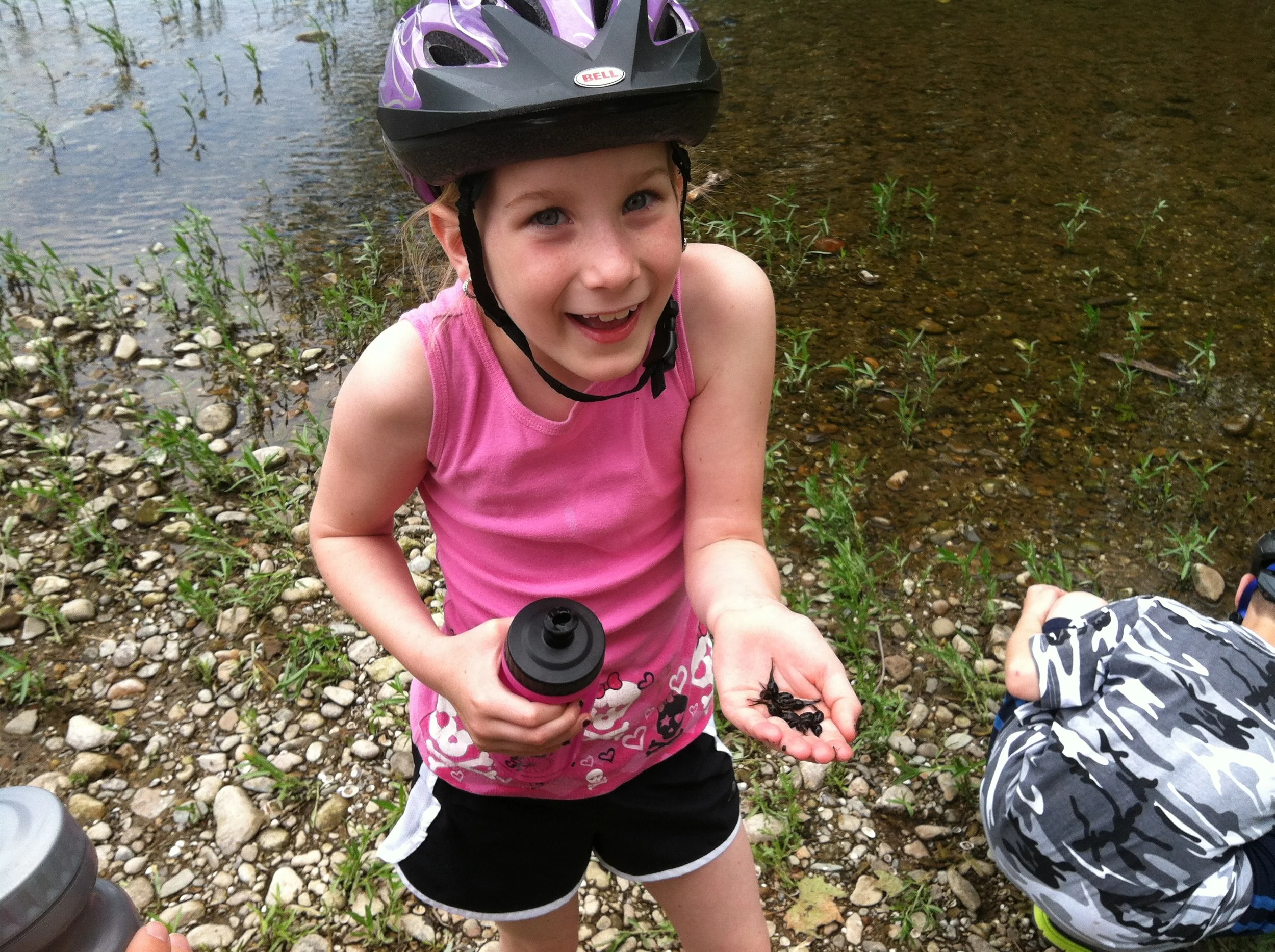
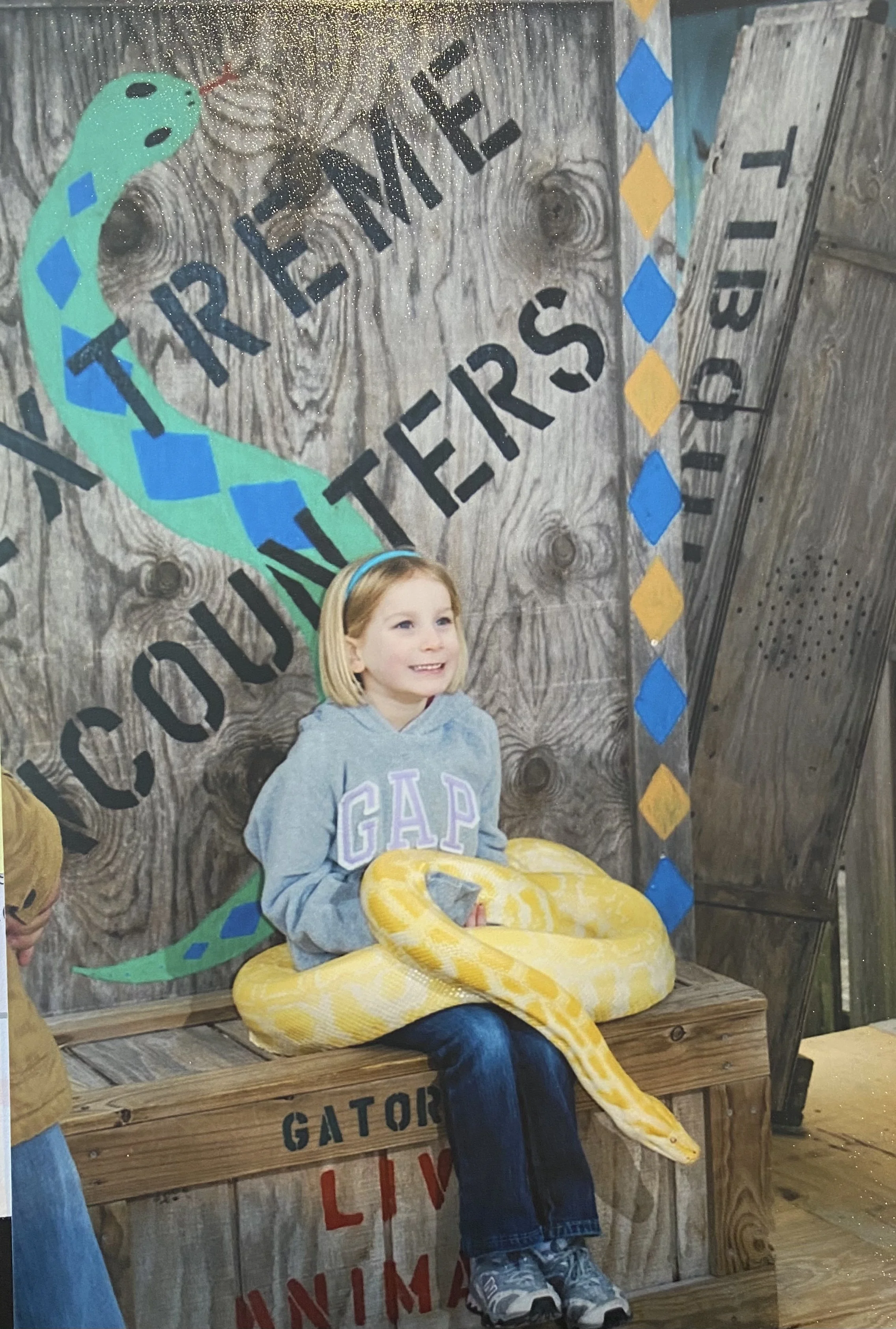
I've been drawn to the natural world for as long as I can remember. Growing up surrounded by nature shaped both my curiosity and my sense of purpose, long before I had the language to articulate either. As a child, I spent hours exploring the pond and forest around my home, filling journals with notes on the animals I saw, the sounds I heard, and the questions I had about the world around me. I collected leaves, rocks, and insects, along with NatGeo Kids magazines and pocket field guides, many of which I still have today. I looked up to people like Steve Irwin and Jeff Corwin, and I took advantage of any chance I got to interact with wildlife and learn about science.
In high school, I turned that curiosity into hands-on experience through my capstone project at the Leesburg Animal Park, where I worked first as an intern and then as a staff zookeeper. I cared for a wide range of domestic and exotic species and led community education programs that allowed me to share my love of nature with visitors of all ages. That experience confirmed what I had always known: I wanted a career that revolved around the natural world.
This clarity led me to the University of Virginia, where I earned a B.S. in Environmental Sciences with a specialization in Ecological and Biological Conservation, along with a B.A. in Spanish Literature and Culture. Through interdisciplinary coursework, lab technician experience, and independent undergraduate research, I developed the technical and analytical skills to ask meaningful questions about the organisms and ecosystems I care about, and discovered the tools to pursue their answers. Each of these experiences deepened my commitment to making conservation part of both my personal and professional path, yet I remain the same person I was long before I had any formal training. I still feel most like myself when I’m outdoors, and when I’m looking closely at the natural world, learning about the species and ecosystems I hope to help protect.
I know how easily concern for our environment's future can turn into a sense of fear and helplessness; I've felt it myself. I want to help people move past that feeling, replacing it with the awe and wonder I grew up with, as well as the tools and knowledge necessary to take action.
My Story
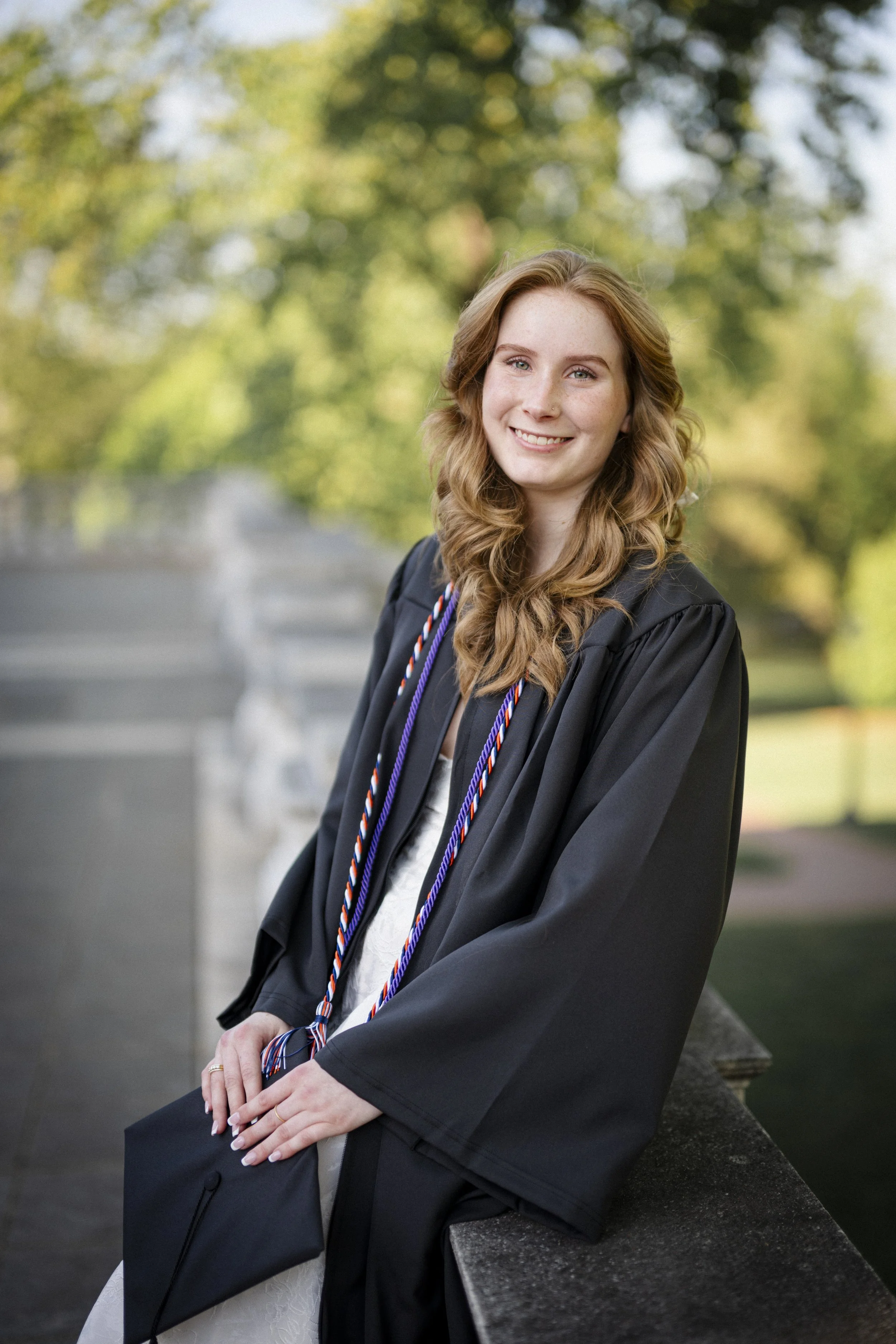
My long-term goal is to build a career in place-based, community-driven conservation, contributing to research that is empirically grounded, inclusive, and measurable in its impact on wild populations. I believe science is most powerful when it extends its reach beyond academia and into diverse communities. By engaging in visual storytelling, promoting accessible scientific communication, and expanding access to practical resources, I hope to foster connection, curiosity, and responsible stewardship of the natural world.
I'm currently seeking graduate and professional opportunities in conservation ecology, wildlife management, and science communication. If you'd like to connect or collaborate, I'd love to hear from you through the contact form linked below. If you’d like to learn more about my academic and professional background, access my resume below as well.