-
Approximately 0.5% of all living, named organisms belong to the class Amphibia. There are about 8,680 species of amphibians on Earth, including more than 7,095 frogs and toads, 824 salamanders and newts, and 254 species of caecilians.
The current world biodiversity crisis has significantly impacted amphibians, which are particularly sensitive to environmental changes due to their permeable skin and life history strategy. Many amphibians spend part of their lives in water, and part on land, so they are affected by changes to both of these habitats. Amphibian populations are declining and disappearing worldwide at an increasing rate as compared to the 1980s, even in areas where habitat has been protected. The 2008 IUCN Red List of Threatened Species listed thirty percent of described amphibian species as threatened with extinction, with at least 39 species of amphibian going extinct since the year 1500. Of particular concern are amphibian populations in the tropics and subtropics— although these areas tend to have the highest degree of amphibian diversity, they are also the areas in which human population growth has intensified the most. Habitat modification and destruction, over-exploitation of resources, introduced species, environmental contaminants, global climate change, and emerging infectious diseases (e.g., chytrid fungus) are all threats amphibians currently face.
Why is this loss important? Economically, amphibians play an important role for humans. Amphibian species are frequently used for teaching and medical research, with the latter leading to the discovery of novel chemical compounds that have potential for use in human drug development. Amphibians also play a key role in modulating energy flow and nutrient cycling in Earth’s ecosystems, acting as both predator and prey in the areas they inhabit. They also act as an inspiration for art, and are charismatic organisms that often help connect the public with the natural world.
Apart from scientific research, how can we help support amphibian populations in this time of crisis? There are many steps the average person can take to make a difference:
Respect amphibians in their natural habitats– because of their permeable skin, amphibians are sensitive to the salts, oils, and lotions humans have on their skin. Avoid handling amphibians when possible, and if relocating an individual is necessary, (i.e., assisting with road crossings, removing individuals from garages or other unsuitable environments) use gloves or wash + wet hands before handling.
Avoid habitat modification when possible– avoid moving rocks, building dams, or channelizing riverbeds to preserve the natural habitats that allow amphibians to thrive.
Protect your watershed– avoid using harsh chemicals for outdoor cleaning (e.g., car washing) and the application of herbicides/pesticides/chemical fertilizers.
Create amphibian-friendly habitat in your backyard– prioritize natural, native landscaping. Having water sources and covered areas for amphibian refuge are especially beneficial.
Take part in citizen science– report amphibian sightings that help support research and inform policy. Join platforms like iNaturalist and FrogWatch USA so researchers can use your data to help conserve amphibians.
Vote– elect individuals who care about protecting watersheds and preserving natural habitats, as well as individuals who prioritize the protection of threatened and endangered species.
Resources:
Join iNaturalist (Link) to collect data that scientists use for their research.
Join FrogWatch USA as a volunteer (Link) and help monitor populations in your area.
Learn to build a frog pond (Link)
Sources:
BOOK: Amphibian Ecology and Conservation– A Handbook of Techniques (C. Kenneth Dodd, JR.). Click here to access source.
ARTICLE: About Amphibians (The Biodiversity Group). Click here to access source.
ARTICLE: What You Can Do (National Park Service). Click here to access source.
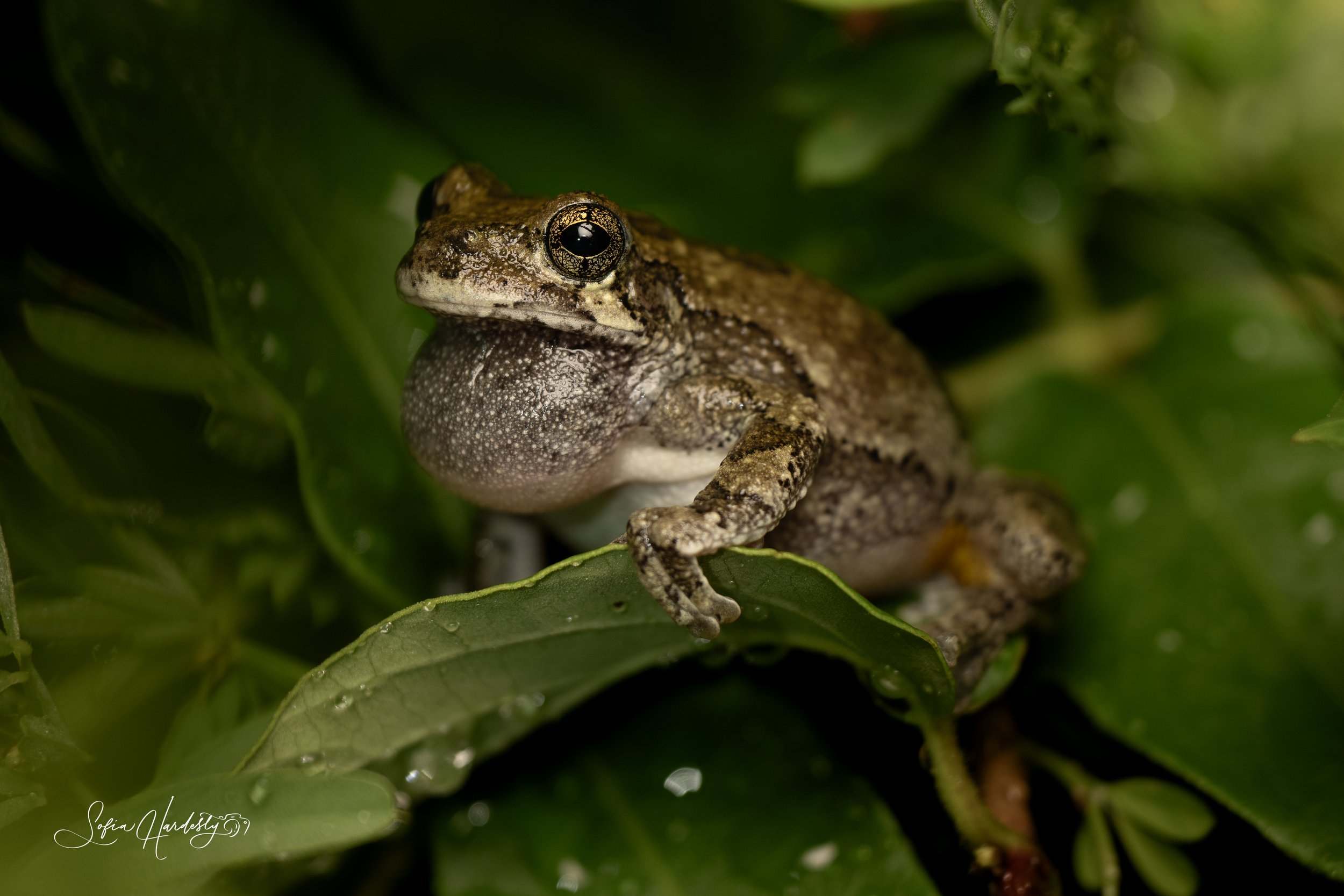
Gray Tree Frog (Dryophytes versicolor, formerly Hyla versicolor)
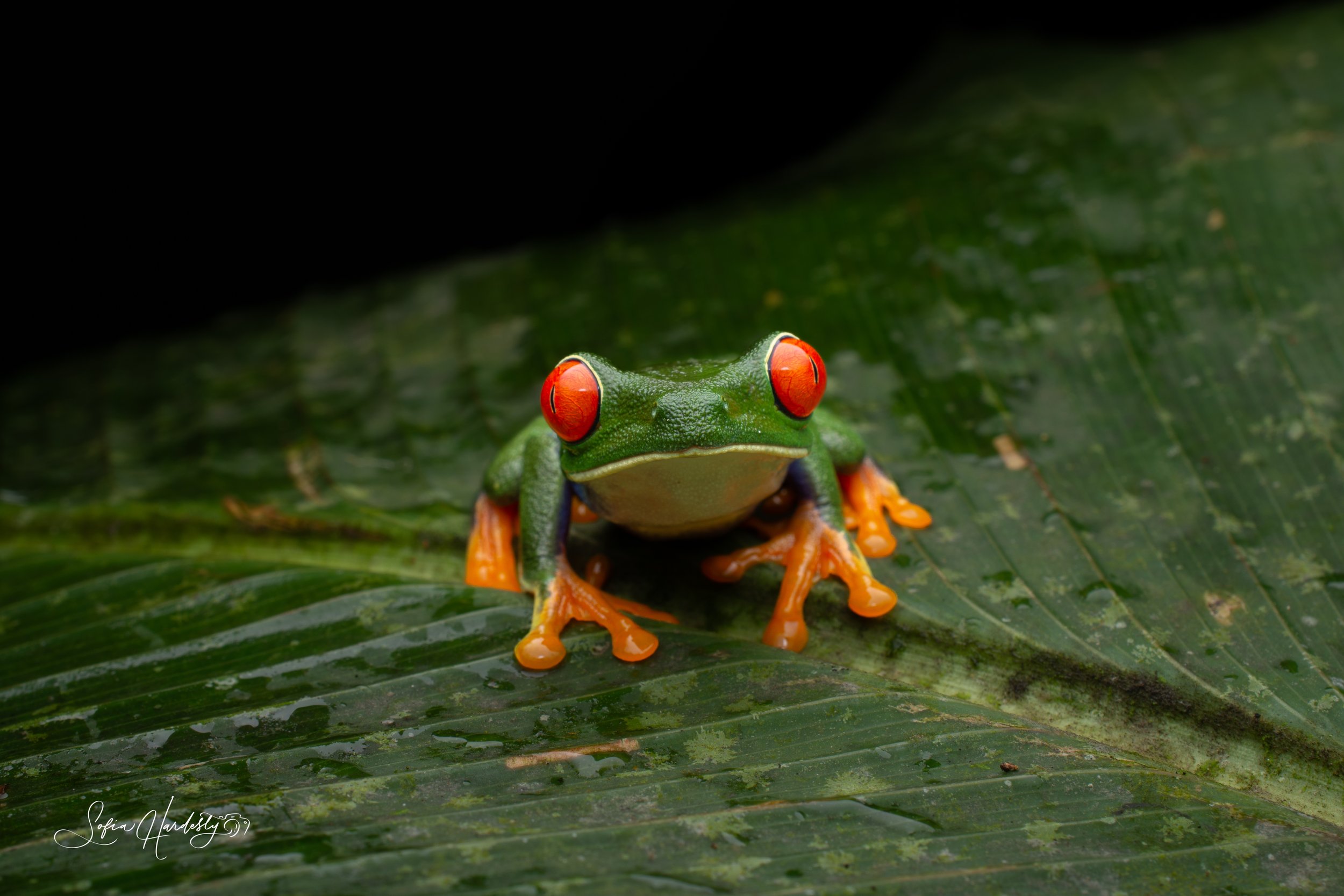
Red-eyed Tree Frog (Agalychnis callidryas)
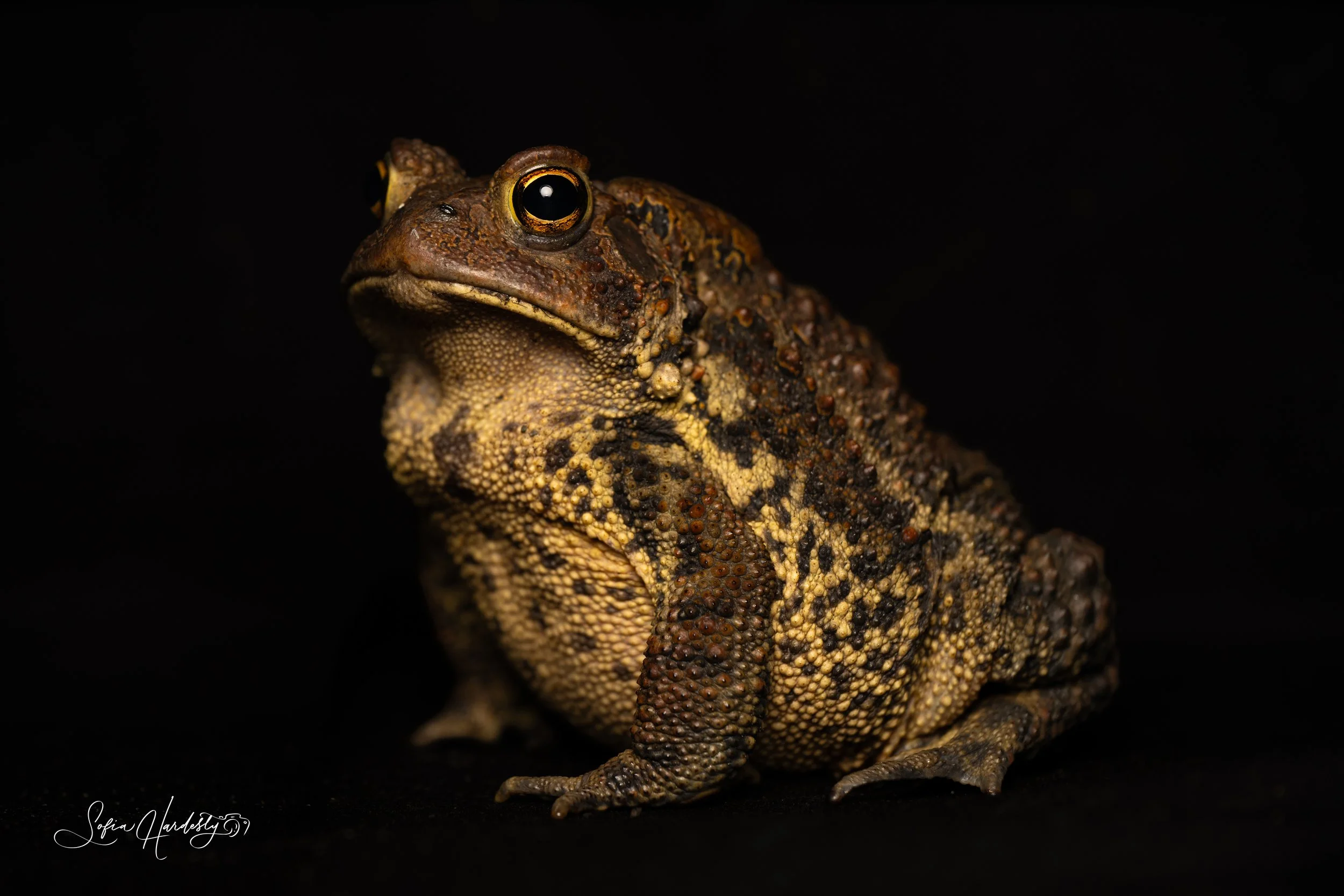
American Toad (Anaxyrus americanus, formerly Bufo americanus)
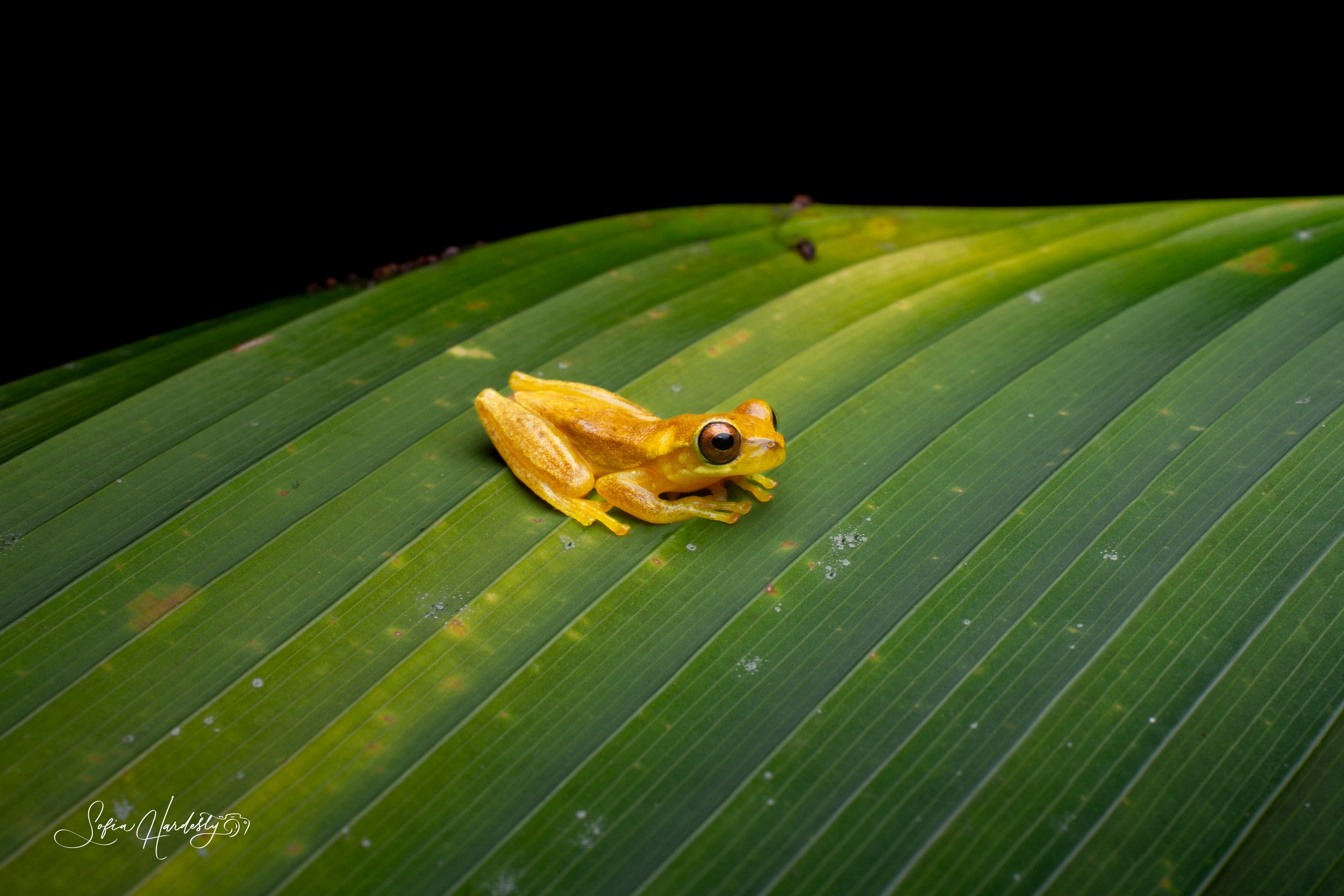
Yellow Tree Frog (Dendropsophus microcephalus)
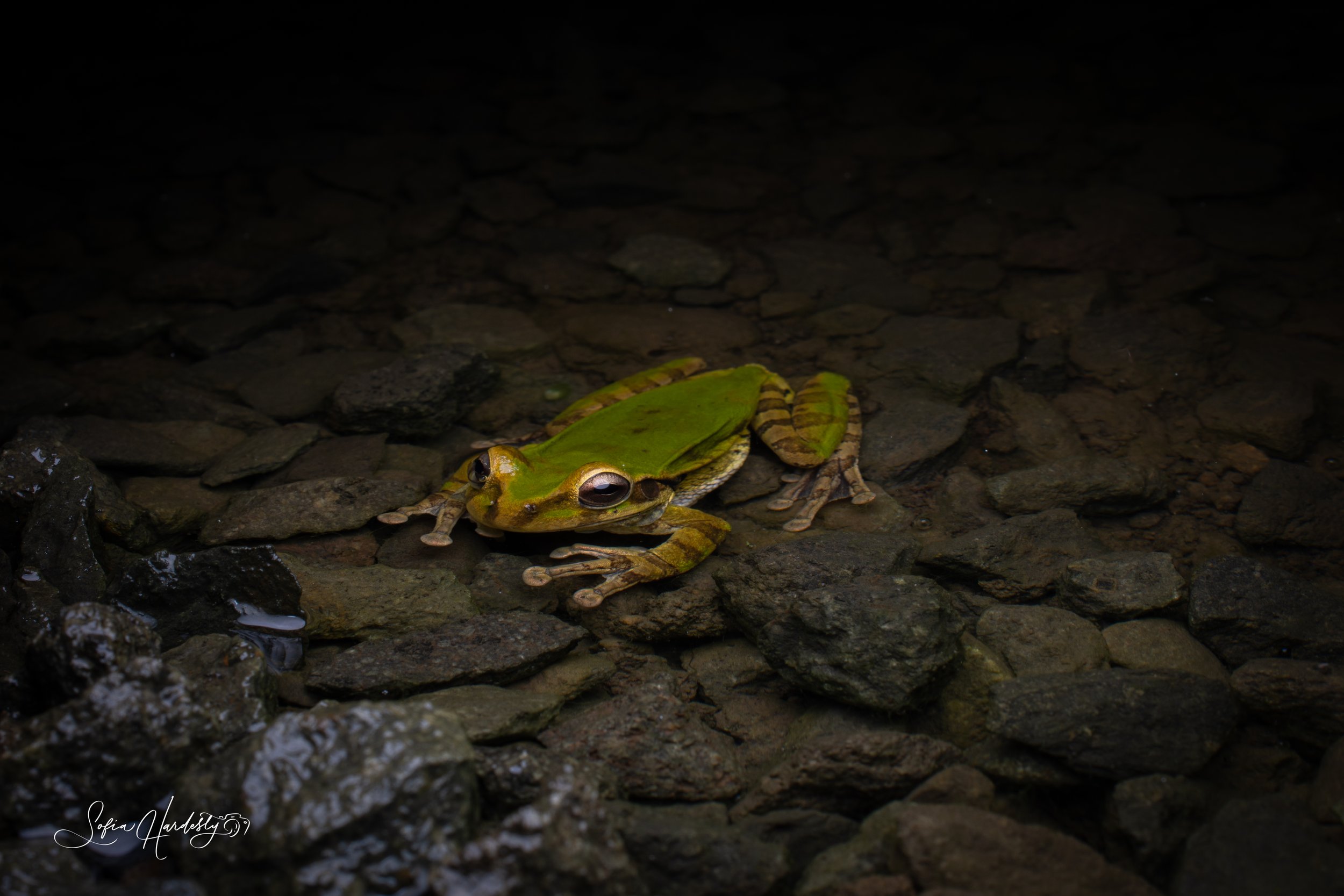
Masked Tree Frog (Smilisca phaeota)
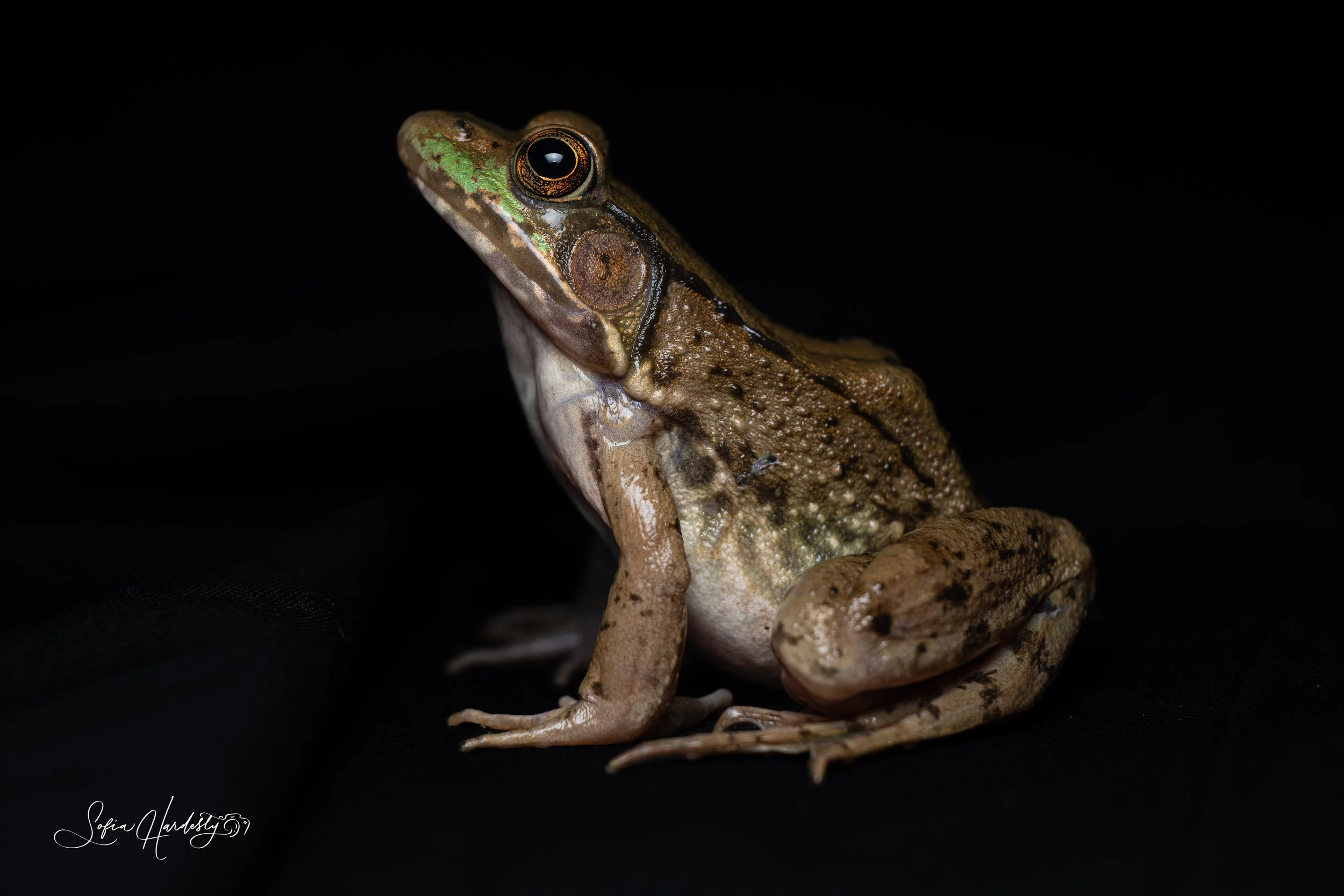
Green Frog (Lithobates clamitans)
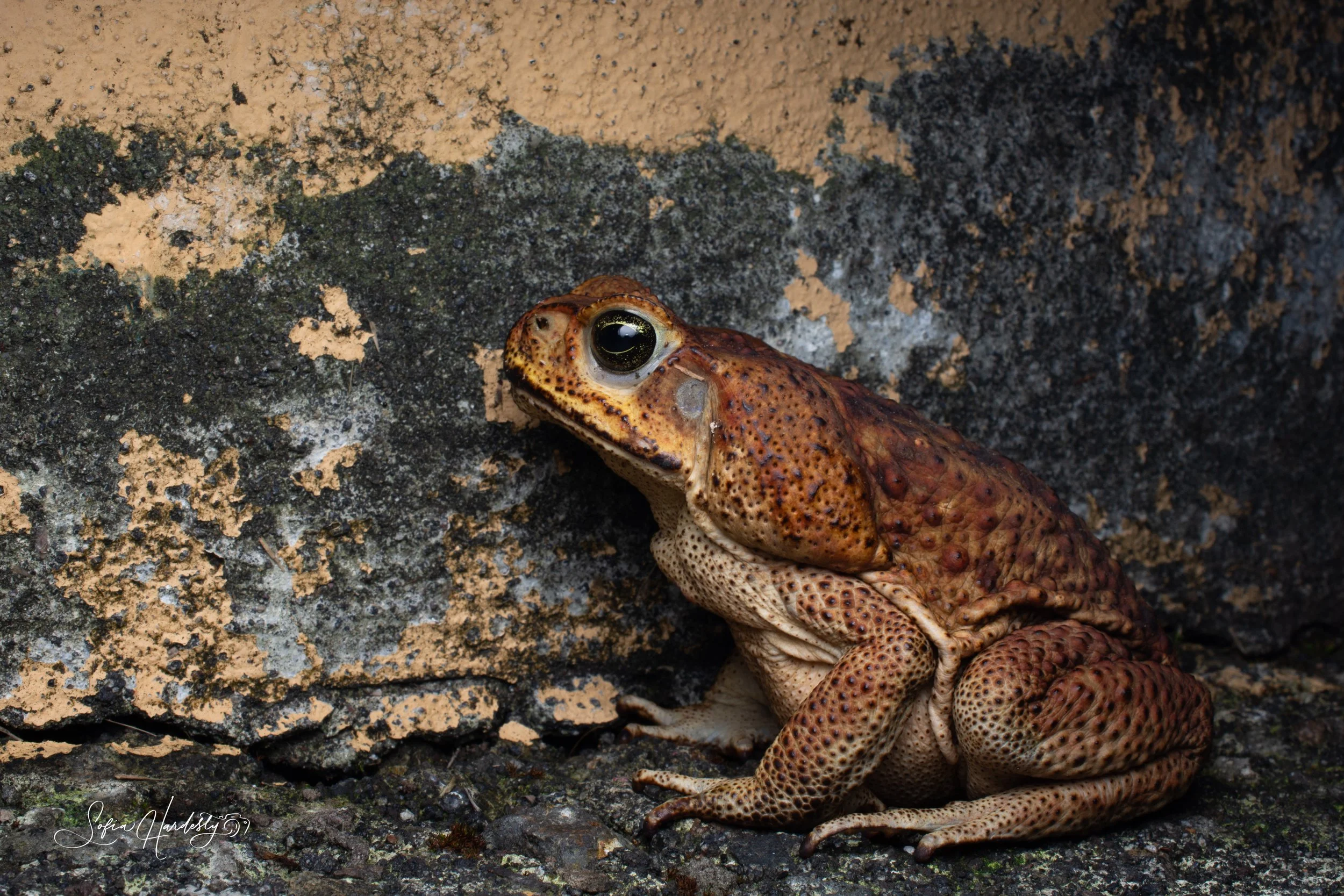
Cane Toad (Rhinella marina, formerly Bufo marinus)
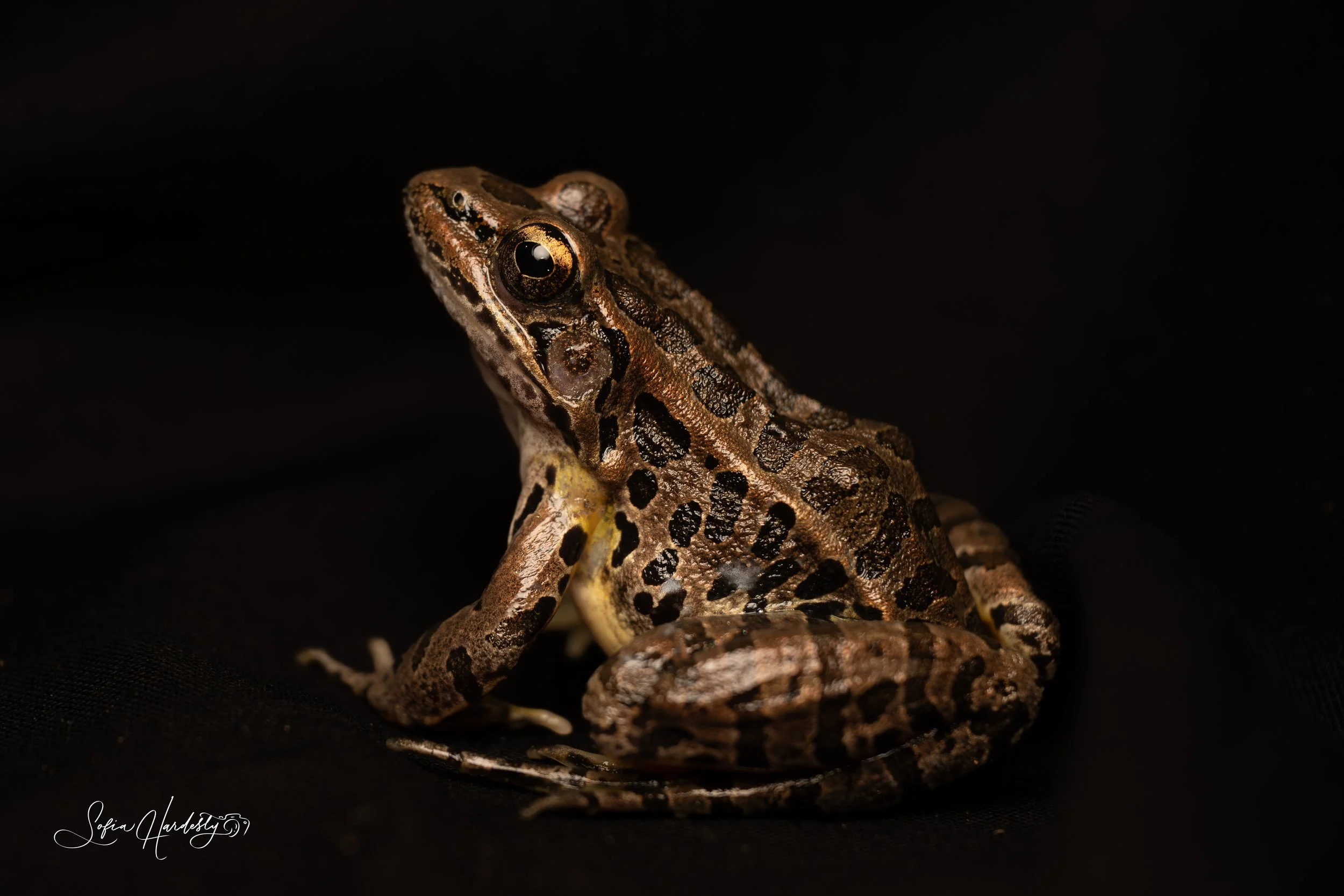
Pickerel Frog (Lithobates palustris)
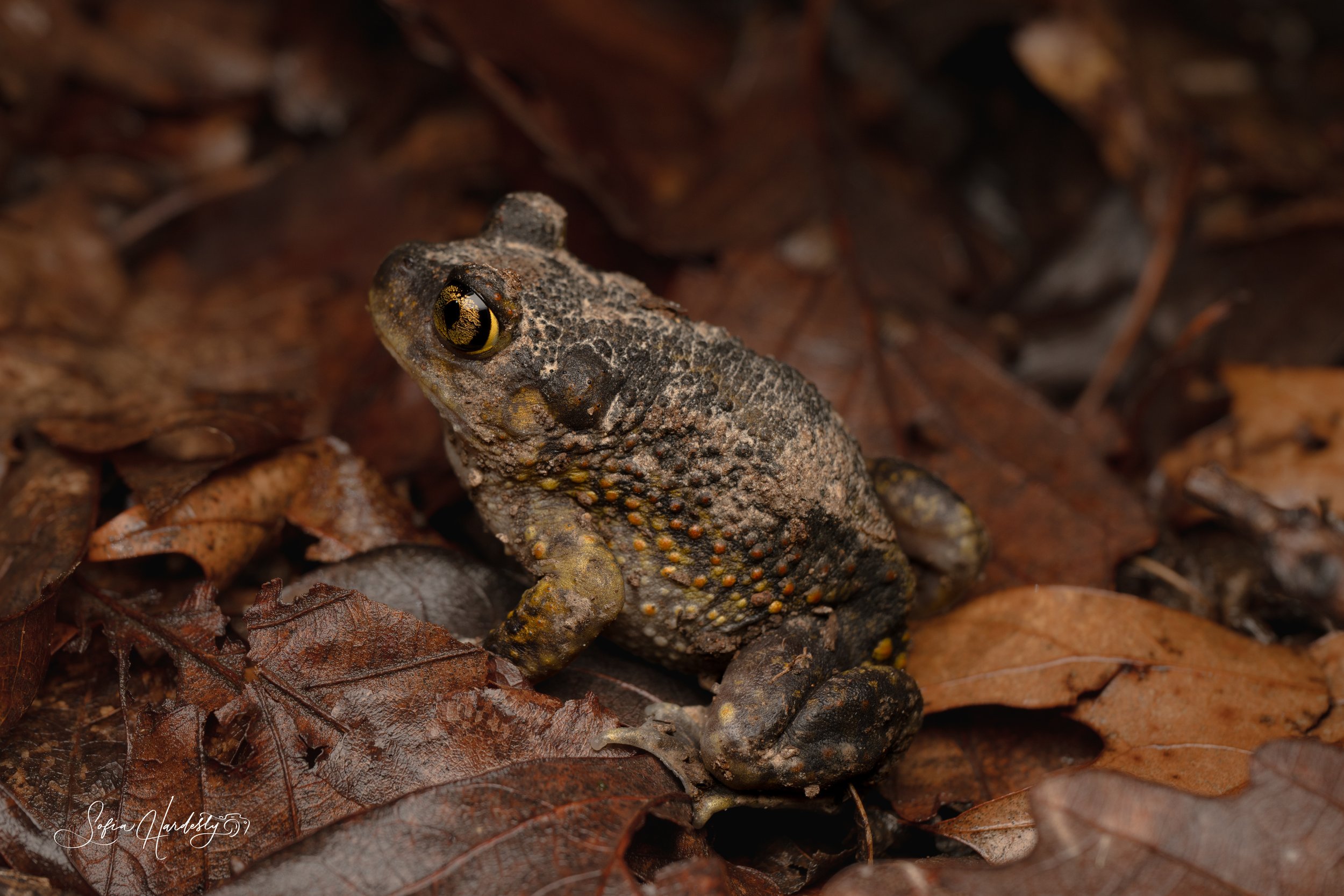
Eastern Spadefoot Toad (Scaphiopus holbrookii)
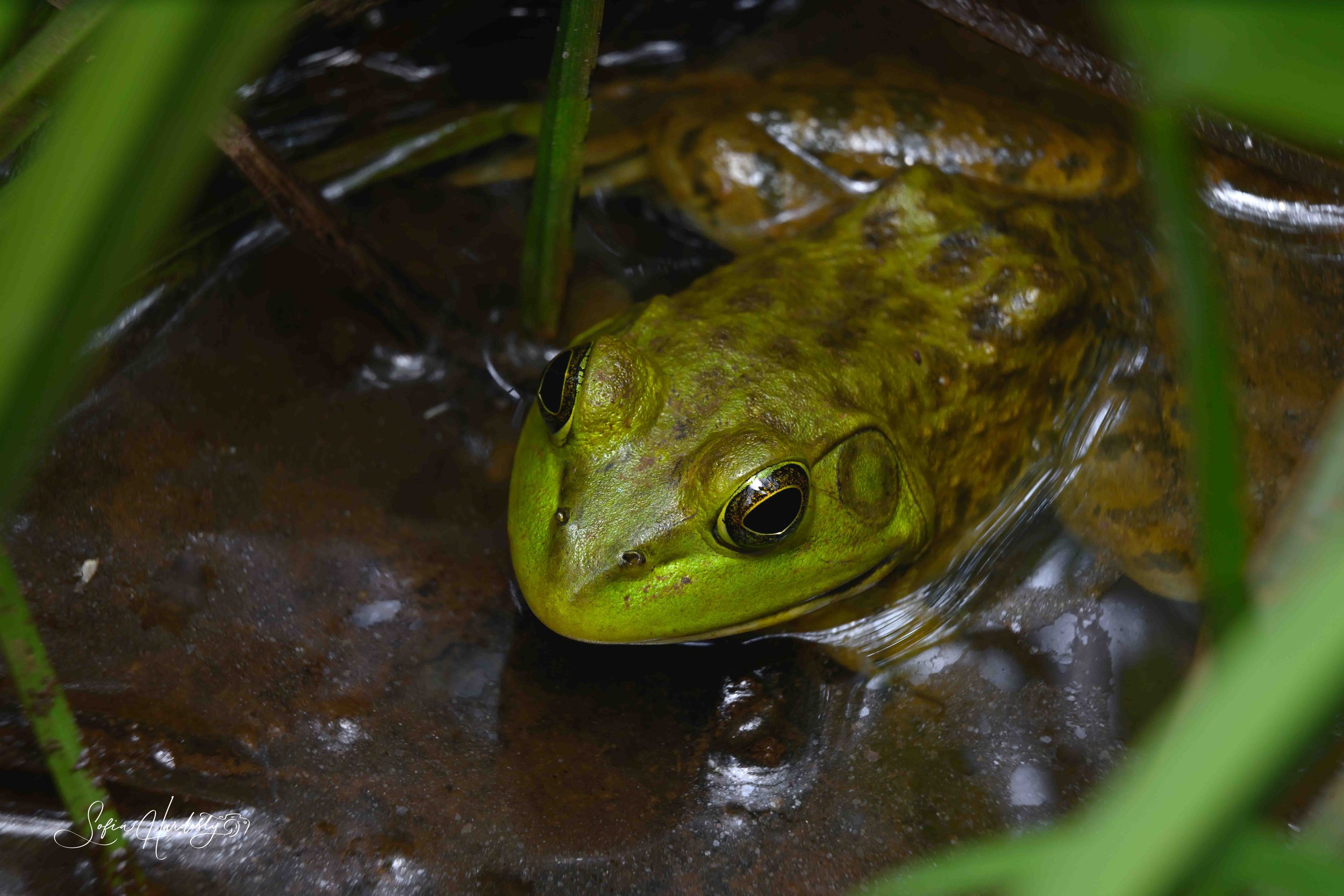
American Bullfrog (Lithobates catesbeianus, formerly Rana catesbeiana)
-
Insects are the largest and most diverse group of organisms on earth, accounting for 75% of all described animal species. There are approximately 1 million described insect species, which can be found on land, in water, and in the air in nearly every habitat and all continents, including Antarctica.
Despite their abundance and diversity, insects are declining at unprecedented rates. 40% of all insect species are in decline, and one-third of all species are considered endangered. Threats to insect diversity are numerous and abundant– habitat loss, invasive species, environmental contamination, biological control (i.e., the spraying of pesticides/herbicides), and climate change are all negatively impacting insects in our environment. The joint impact of habitat loss and climate change is especially harmful for insects.
Why is this loss important? Because of their diversity and size as a group, insects fulfill many important roles in ecosystems all over the world. Insects can act as herbivores, predators, scavengers, and decomposers, giving them the ability to maintain the flow of energy and nutrients in the ecosystems they inhabit, as well as provide important services like waste recycling and water filtration. Predatory insects are especially important because of their ability to control pests, an essential service for industries like agriculture. Contrary to popular belief, only 0.5% of all known insect species damage crops. Furthermore, insect pollination is crucial for supporting human life on earth– 80% of wild plant species and three-quarters of food crops rely on insects like bees and butterflies to reproduce. Insects are also essential components of many food webs, in which they act as a food source for birds, bats, amphibians, lizards, and freshwater fish.
What can the public do to support insects? There are several steps any individual can take to lessen the amount of stressors our insects currently face:
Create insect friendly habitat– converting grass lawns into natural habitats with flowers supports insects of all types, especially pollinators. Growing native plants is also extremely beneficial, as many insects have co-evolved over millions of years with the native plants that grow in the areas they live.
Reducing chemical inputs to the environment– reducing or eliminating pesticide and herbicide use supports the health and reproduction of native species. Lessening soap runoff from washing vehicles and building exteriors as well as reducing the use of driveway sealants/de-icing salts helps preserve the quality of insect habitat.
Limit light pollution– reducing the brightness and/or usage of exterior lighting limits disruptions to insects’ natural processes, including reproduction, navigation, behavior, and survival.
Take part in citizen science– report insect observations on platforms like iNaturalist, and take part in community science programs through organizations like the Xerces Society.
Vote– elect individuals who prioritize the protection of threatened and endangered species and the preservation of natural habitats.
Resources:
Explore community science opportunities (Link) through the Xerces Society and support our scientific understanding of key invertebrate conservation issues.
Join iNaturalist (Link) to collect data that scientists use for their research.
Sources:
ARTICLE: About Insects (The Biodiversity Group). Click here to access source.
ARTICLE: Here’s how insects help keep ecosystems in balance (World Wildlife Fund). Click here to access source.
ARTICLE: Insects Matter: Why Are We Wiping Them Out? (Christian Saravia). Click here to access source.
PAPER: Insect Conservation: A Synthetic Management Approach (Michael J. Samways). Click here to access source.
PAPER: Eight simple actions that individuals can take to save insects from global declines (Akito Y. Kawahara et al.). Click here to access source.
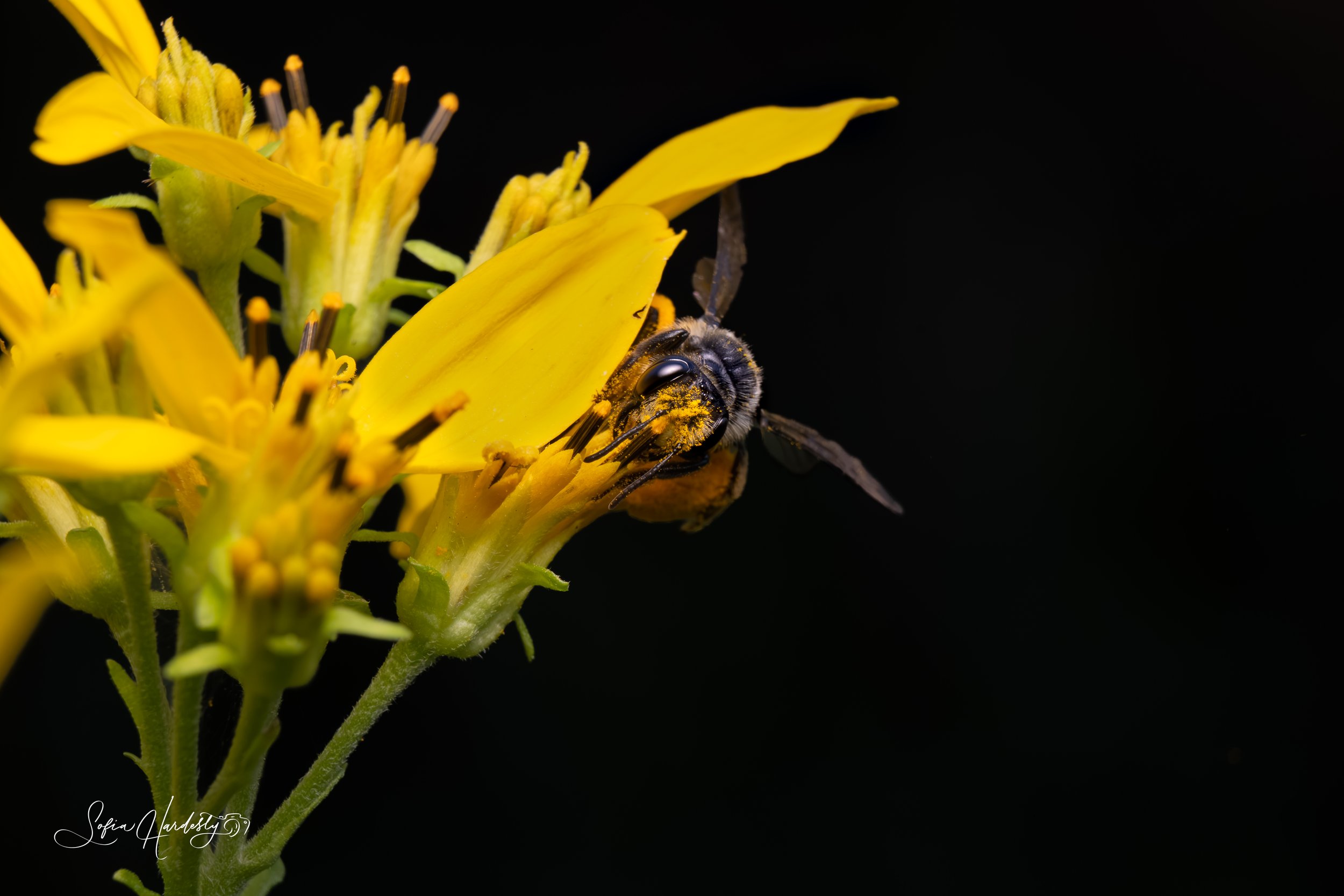
Yellow-faced Miner Bee (Andrena aliciae)
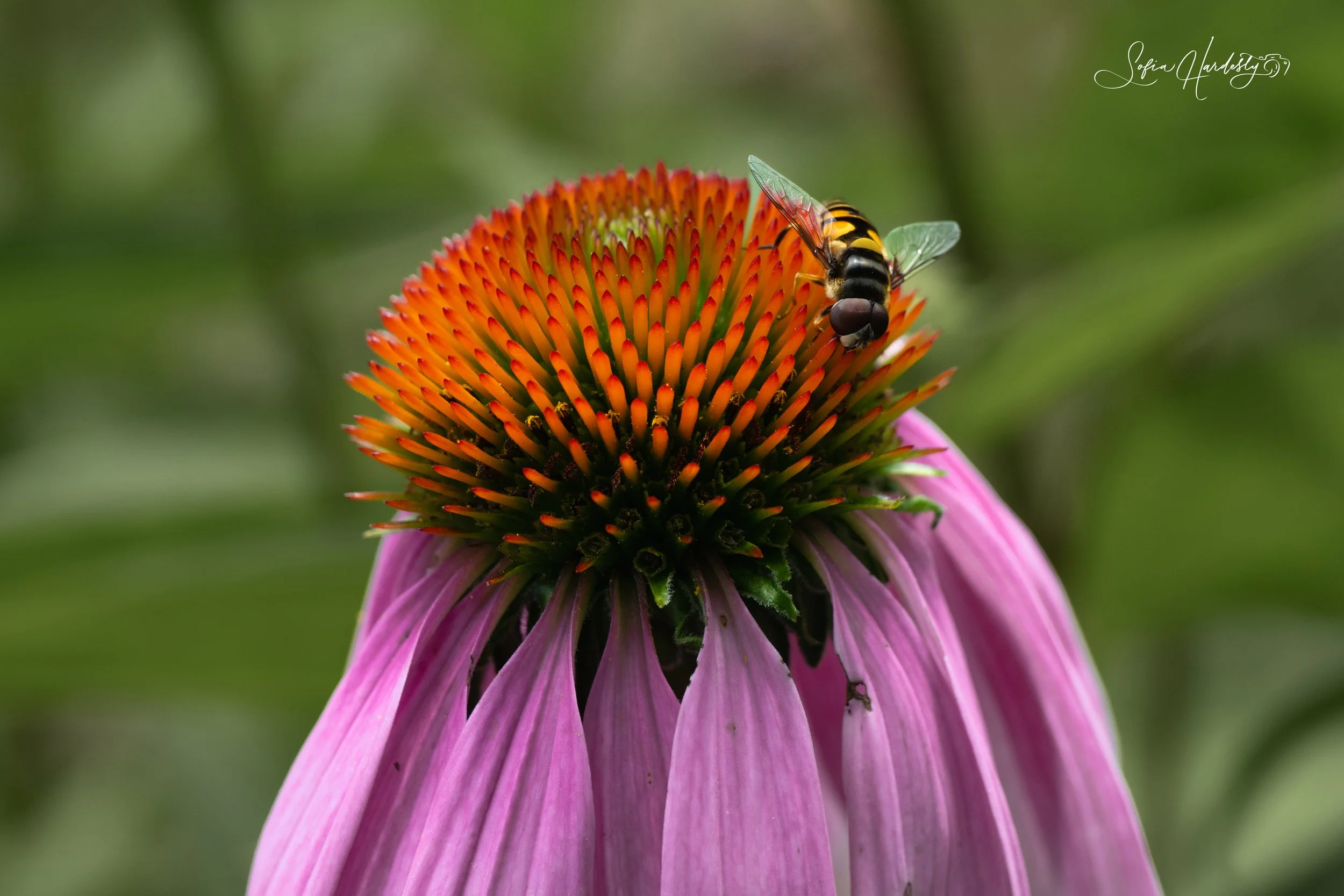
Transverse-banded Flower Fly (Eristalis transversa)
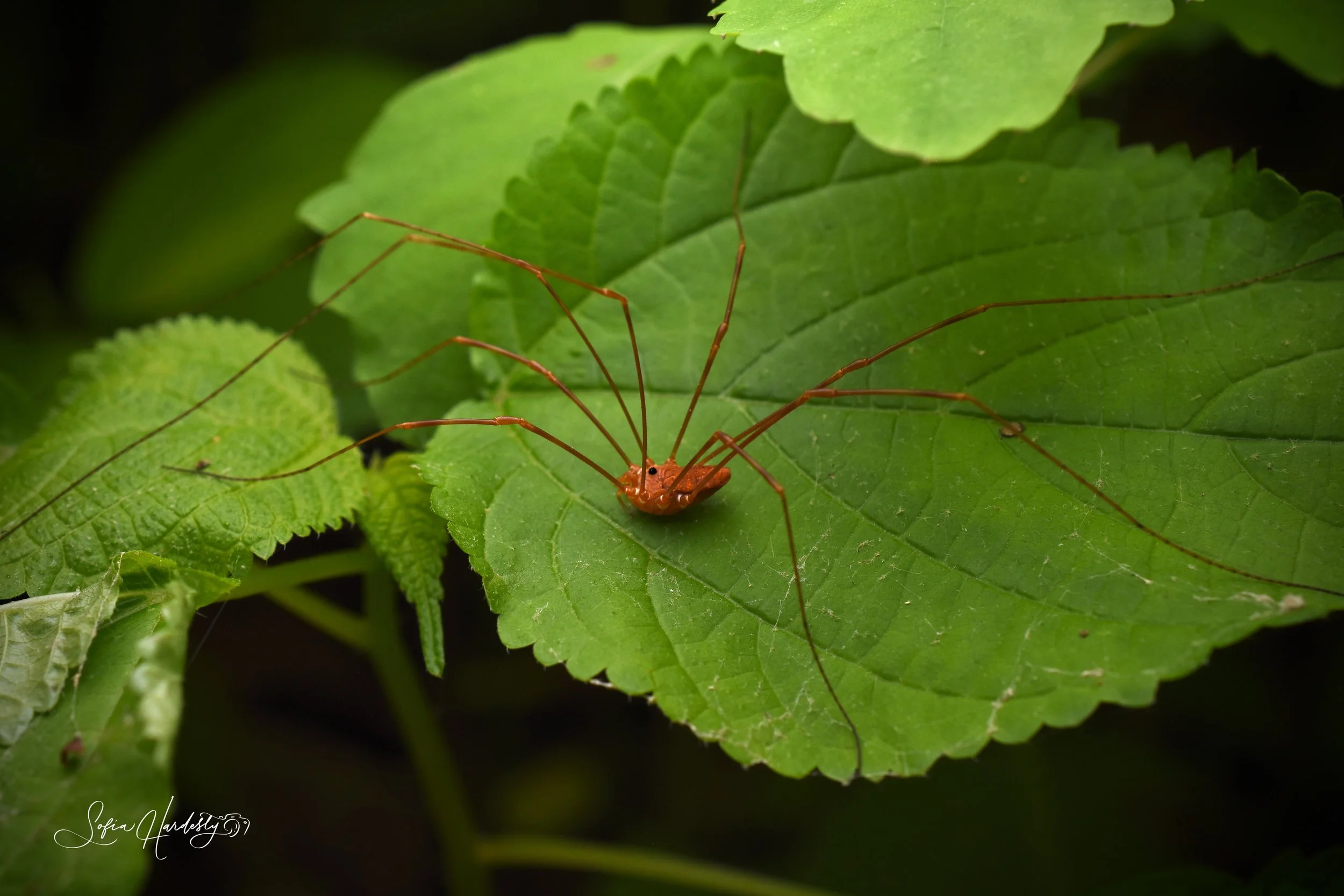
Nebraska Harvestman (Leiobunum ventricosum)
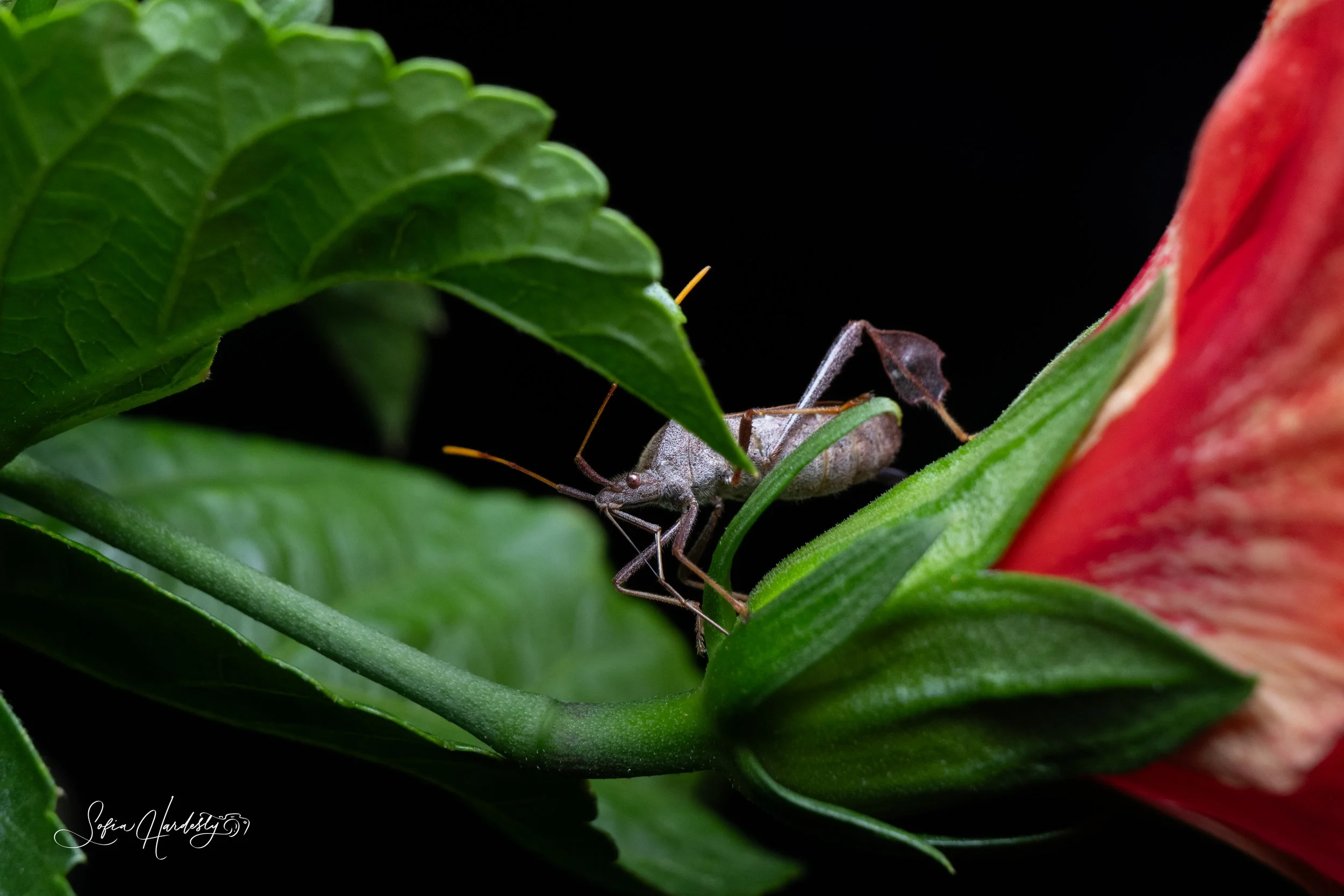
Northern Leaf-footed Bug (Leptoglossus oppositus)
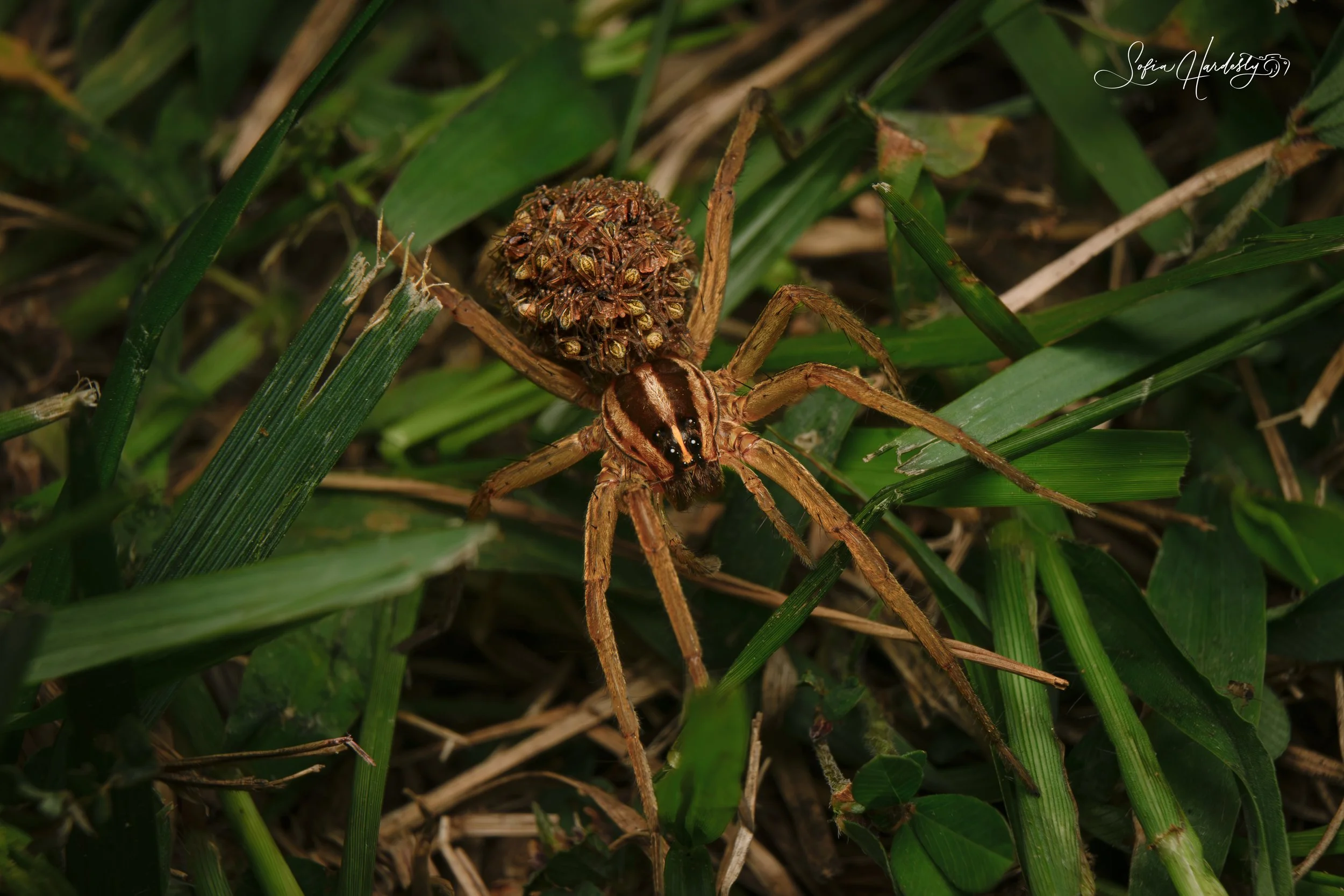
Rabid Wolf Spider (Rabidosa rabida)
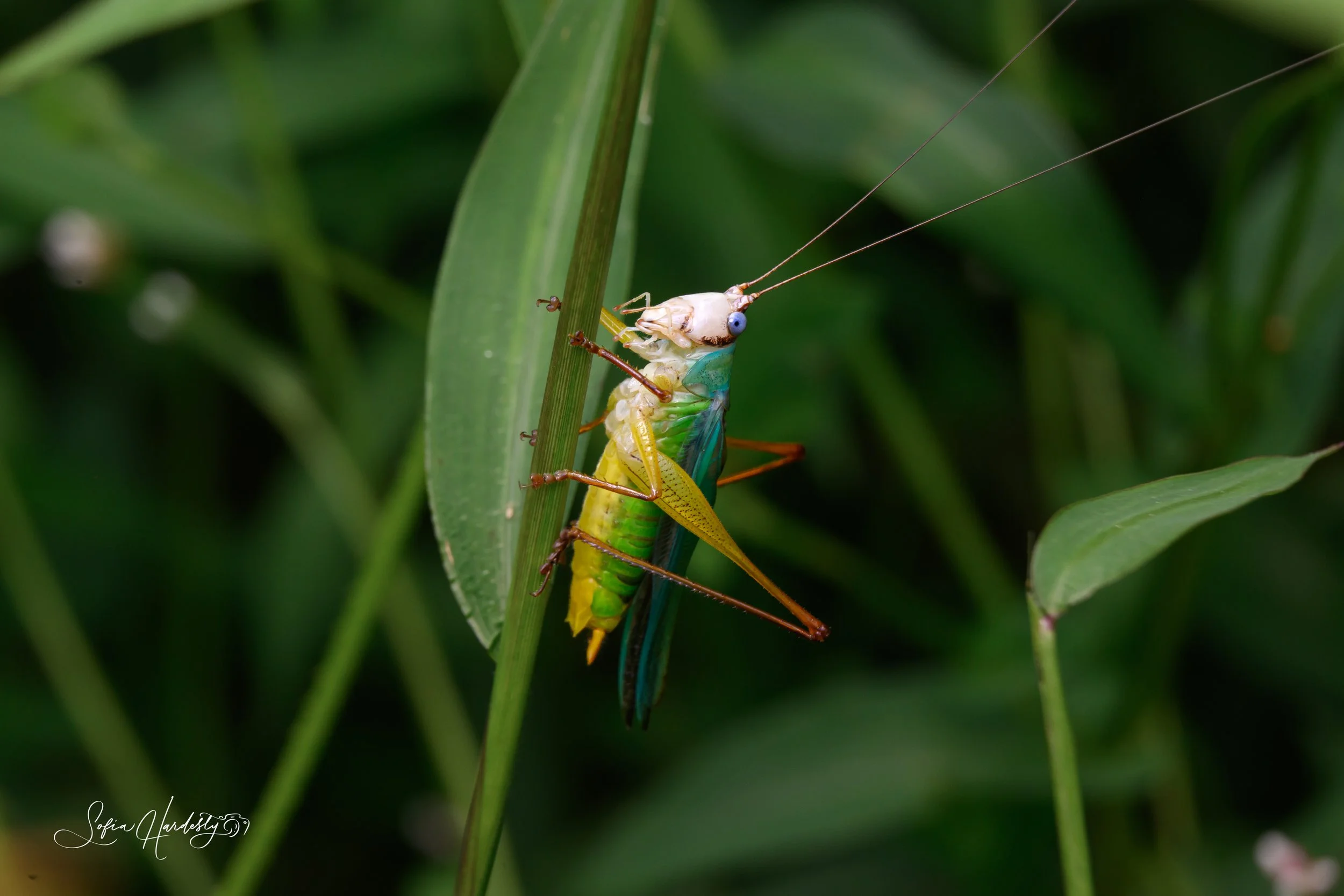
Handsome Meadow Katydid (Orchelimum pulchellum)
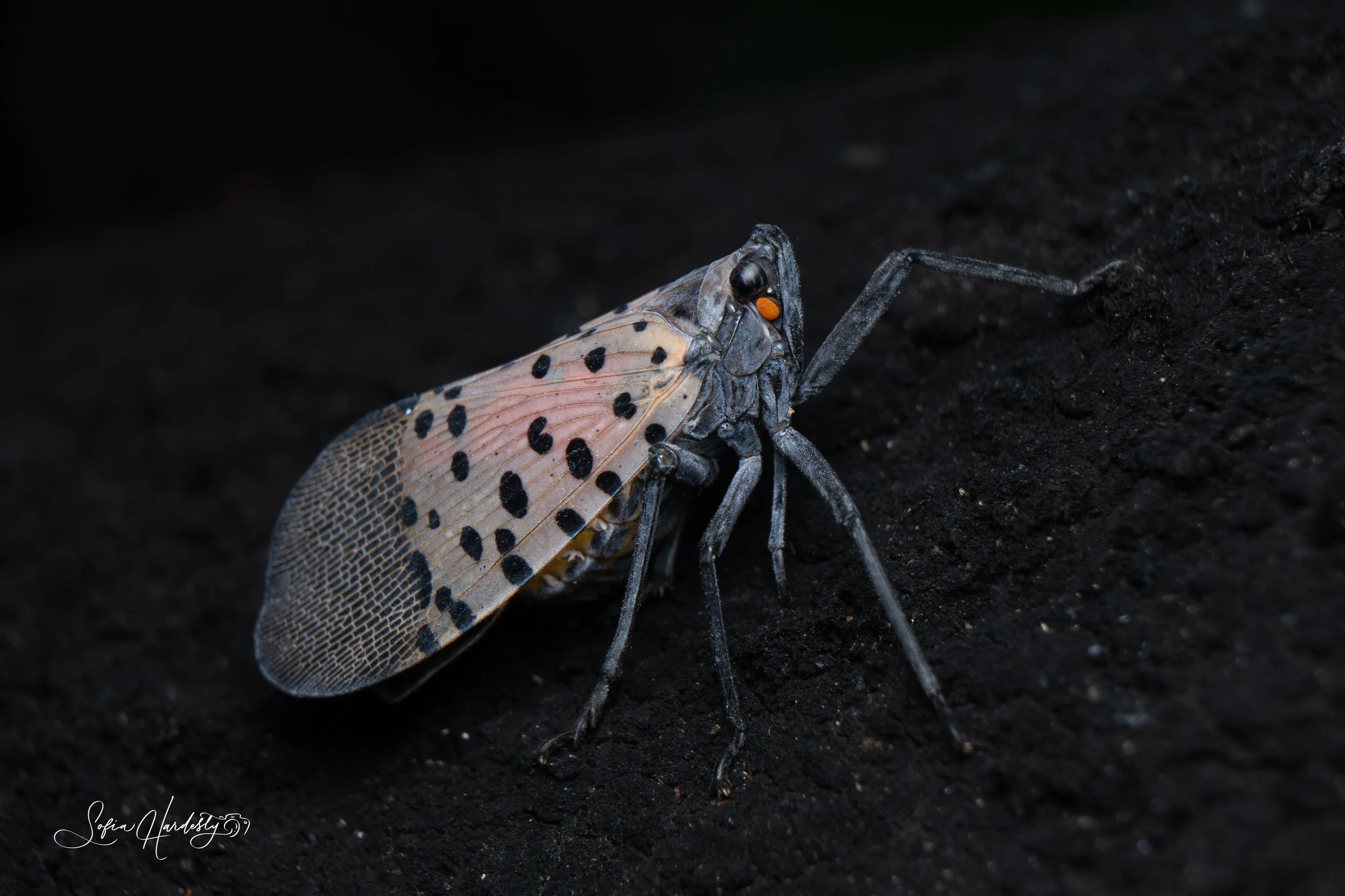
Spotted Lanternfly (Lycra delicatula)
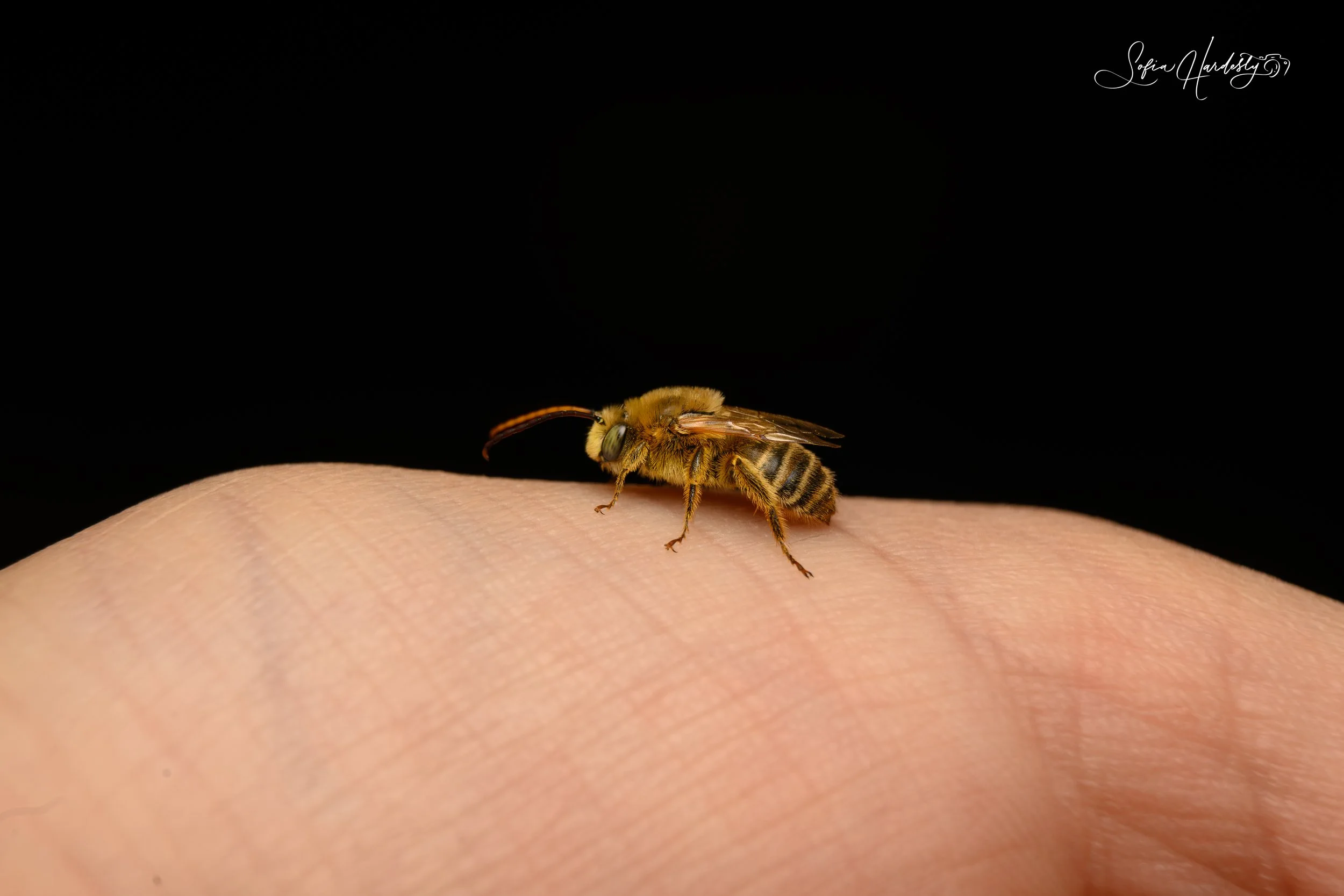
Melissodes sp.
-
Birds occur in every country in the world and in virtually every type of habitat. There are a total of ~ 11,000 species of birds, although discrepancies on the exact number exist among organizations. The majority of birds occur in continental regions, while the remainder occur on islands.
North American bird populations have decreased by 2.9 million breeding adults, and declines have been observed in every biome. Forests, for example, have lost a staggering 1 billion birds, and grassland populations have declined by 720 million birds. Common birds are suffering the greatest losses in this biodiversity crisis– more than 90% of current losses can be attributed to just 12 families, including common families like the sparrows, blackbirds, warblers, and finches. Today, half of all migratory bird species have declining population sizes, and 89 of those migratory species are listed as either threatened or endangered under the U.S. Endangered Species Act. Threats to bird biodiversity include habitat loss and degradation, glass collisions, outdoor cats and other invasive species, fishery bycatch, climate change, wind turbines, and environmental contamination (pesticides, toxins, plastics).
What’s at stake when birds are at risk? Birds make contributions to all four types of ecosystem services– they play important roles in nutrient cycling and seed dispersal, human food supply (i.e., chicken and similar species consumed by humans), agricultural pest control (via the consumption of weeds, insects, and rodents), and pollination. They also inspire art, are kept as domestic pets, and are important contributors to recreational activities like nature walks, birdwatching, and ecotourism, all of which have positive impacts on human physical, psychological, and social wellbeing.
How can we support the birds around us? There are many small actions and lifestyle changes that can help support bird diversity amidst the global biodiversity crisis:
Make windows safer– install screens or break up reflections on existing windows using film or paint.
Keep pets indoors– reduce bird predation by keeping cats inside.
Prioritize creating bird-friendly habitats– swap short, manicured grasses for native plants and/or long native grasses when possible
Reducing chemical/artificial inputs to the environment– avoid spraying pesticides/herbicides when possible, and avoid single-use plastics that cannot break down naturally in the environment. Recycle when plastic use is not avoidable.
Take part in citizen science– report bird sightings through platforms like eBird and iNaturalist.
Resources:
Sources:
ARTICLE: Birds are found worldwide in all countries and major habitats, with some being particularly important (DataZone by Bird Life). Click here to access source.
ARTICLE: Threats to Birds (U.S. Fish & Wildlife Service). Click here to access source.
ARTICLE: Threats (American Bird Conservancy). Click here to access source.
ARTICLE: Nearly 3 Billion Birds Gone (Cornell Lab). Click here to access source.
ARTICLE: Seven Simple Actions to Help Birds (Cornell Lab). Click to access source.
PAPER: Birds and ecosystem services (Kevin J. Gaston). Click here to access source.
PAPER: Status, threats, and conservation of Earth’s migratory birds (Peter P. Marra et al.). Click here to access source.
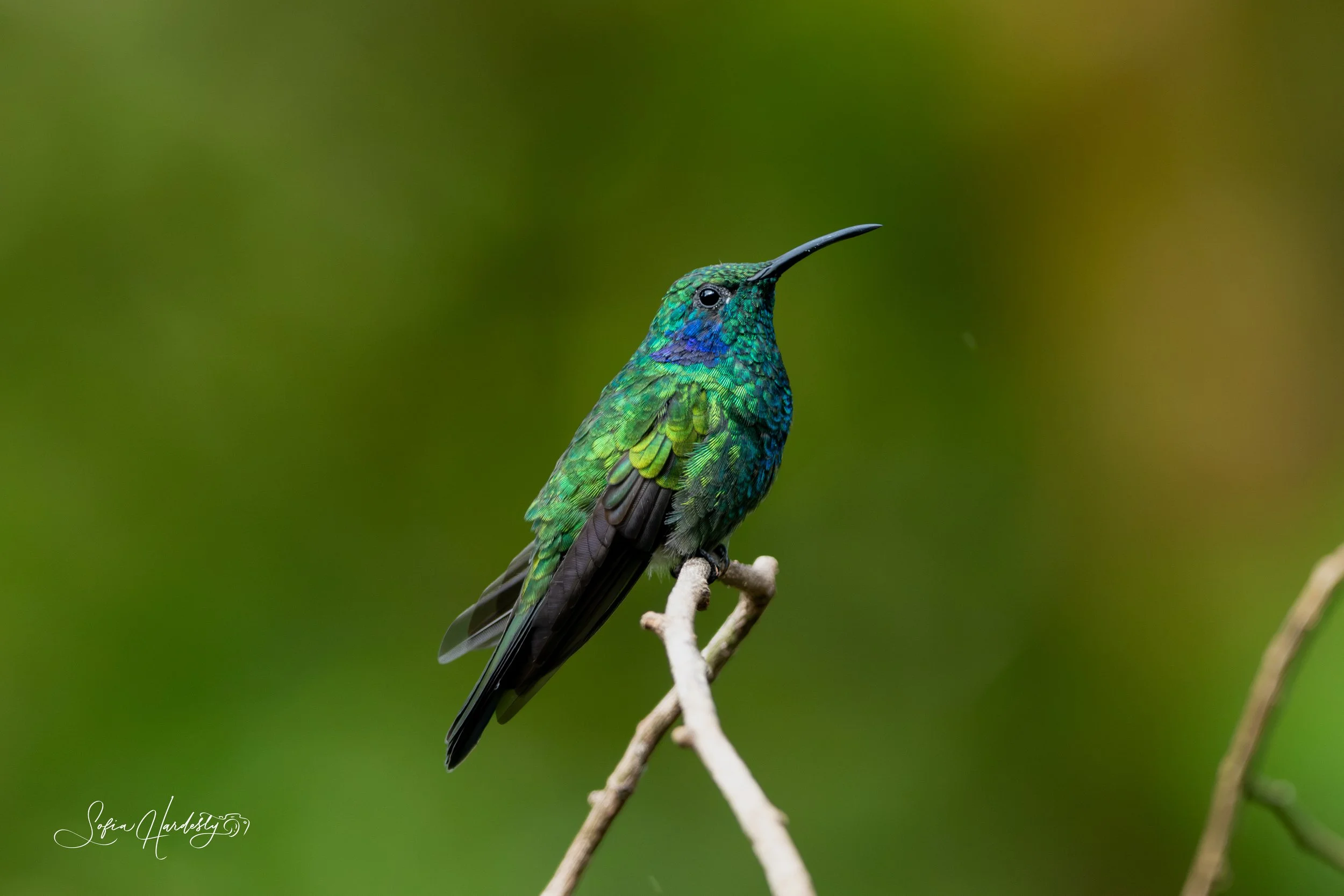
Lesser Violetear (Colibri cyanotus)
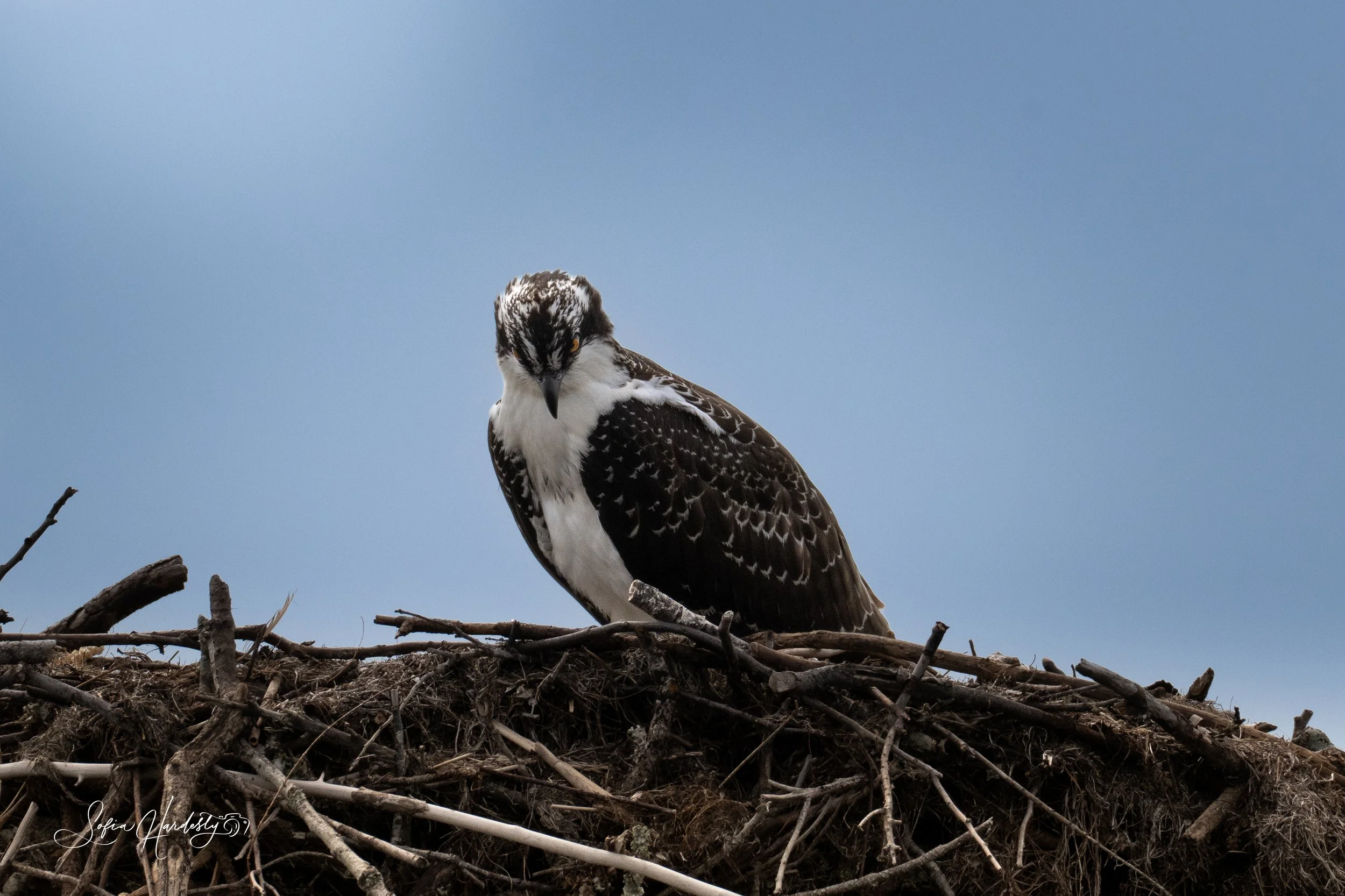
Western Osprey (Pandion haliaetus)
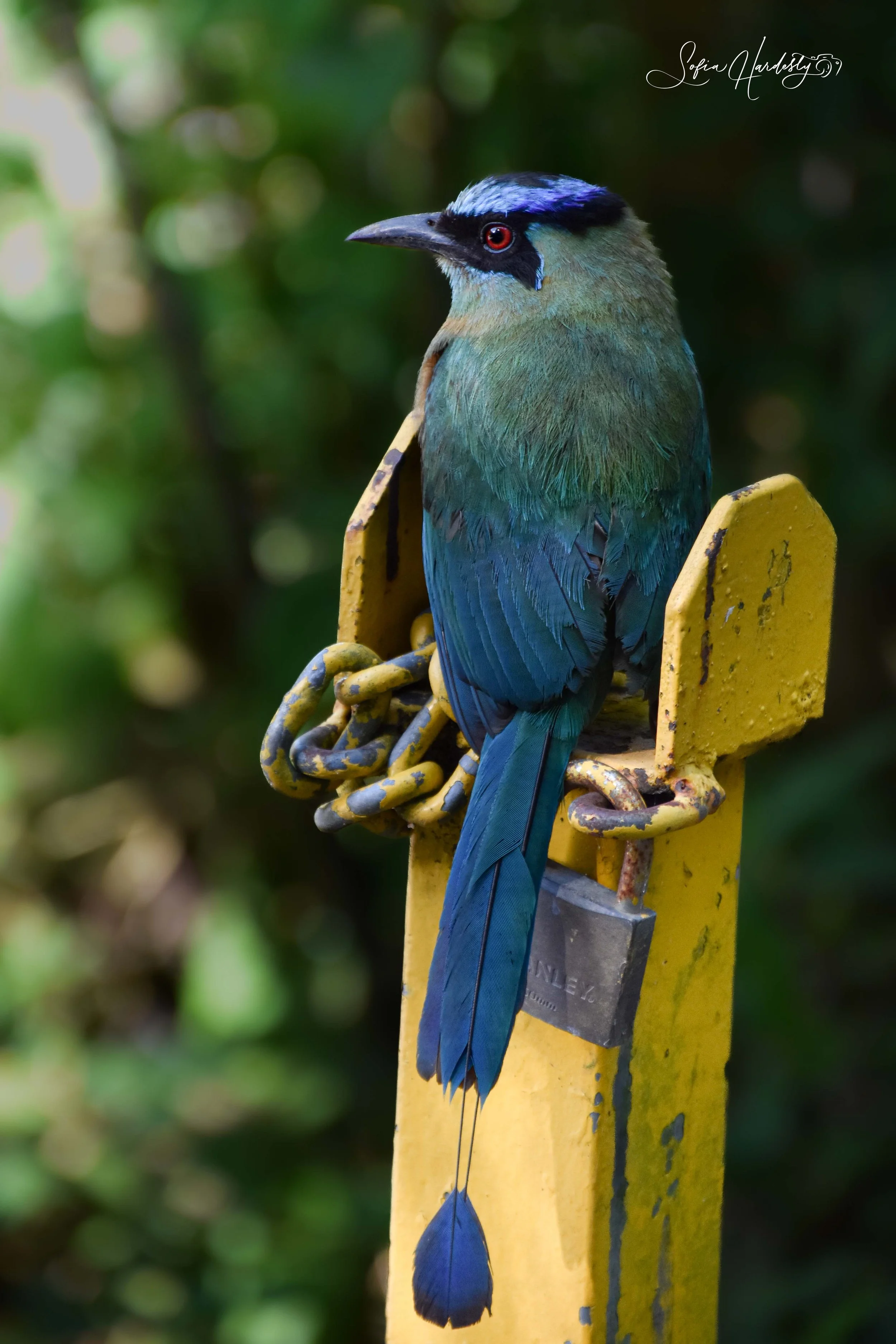
Lesson's Motmot (Momotus lessonii)
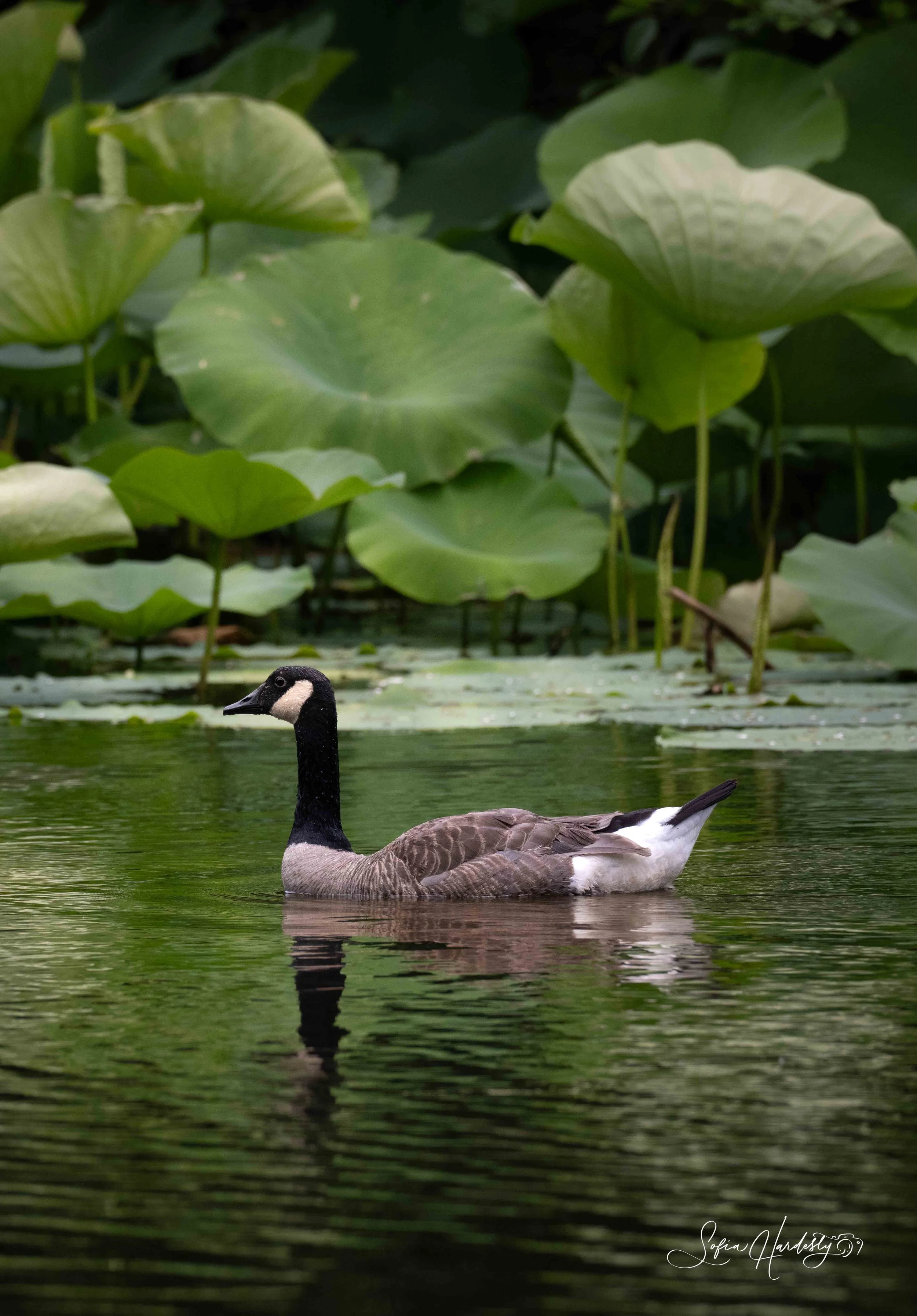
Canada Goose (Branta canadensis)